
Best Phrenic Nerve Stimulation Devices in 2026

Looking for the best phrenic nerve stimulation devices in 2026? These tools send controlled electrical signals to the phrenic nerve pathways that help the diaphragm move for natural breathing support. Many focus on medical or specialized use for respiratory challenges while some non-invasive options aim at broader nervous system balance that can ease daily breathing comfort.
Compare the best electrical nerve stimulation devices, trigeminal nerve stimulation devices, and repetitive nerve stimulation devices to explore other targeted neuromodulation options.
Discover supportive nerve stimulation devices at Vagus Insider.
How Phrenic Nerve Stimulation Supports Breathing Function

The phrenic nerve carries signals from the neck down to the diaphragm, the main muscle that expands the chest for inhalation. Electrical stimulation of this nerve can trigger diaphragm contraction in a controlled way. This approach helps certain people reduce reliance on mechanical ventilation or manage disrupted breathing patterns during sleep or recovery periods.
Phrenic nerve devices range from fully implantable systems with external transmitters to temporary catheter-based options used in hospital settings. The goal stays consistent: restore more natural diaphragm movement when the body’s own signals fall short. Placement of electrodes near the nerve or within the diaphragm muscle itself creates the connection.
Sessions or continuous pacing follow clinical guidance to match individual respiratory needs. Non-invasive wellness tools that influence related nervous system pathways can complement daily comfort for some users seeking calmer breathing rhythms.
What to Look for in a Phrenic Nerve Stimulation Option
Focus first on whether the phrenic nerve stimulation device matches a clinical need or a general wellness goal. Implantable systems require surgical placement and ongoing medical oversight. Temporary systems integrate into intensive care workflows. Adjustable intensity, reliable power sources, and clear monitoring features help maintain safe, consistent delivery.
Comfort of external components and ease of daily management matter for long-term use. Materials and contact methods should support stable signal transmission without irritation. Guidance from qualified providers remains essential before starting any form of nerve stimulation aimed at breathing support.
Best Phrenic Nerve Stimulation Devices in 2026
1. Pulsetto - Best Phrenic Nerve Stimulation Devices in 2026

Description
Tailored Comfort:
Equipped with two detachable magnetic paddings designed to adapt to different neck sizes, delivering a secure and comfortable fit.
Advanced Pulsation Mode:
Introduces a flowing, wave-like stimulation pattern that aligns with your breathing to promote deeper relaxation of the nervous system.
Extended Battery Performance:
Provides up to 20% more battery life, allowing approximately 1.2 weeks of daily use on a single charge.
Improved Durability:
Built with reinforced materials to withstand consistent, everyday use over time.
Seamless App Experience:
Access the same 5 guided programs and enjoy a 14-day Premium trial, along with the full sound library and optional add-ons available in the Lite version.
What’s Included:
Pulsetto device, two magnetic paddings, 60g gel tube, USB-C charging cable, and user manual.
Safety Assurance:
FCC-certified and powered by the same ULRE technology as the Lite model. Medical consultation is advised for users with implantable devices.
Pulsetto - Your Peace & Better Sleep Partner

Pulsetto is a wearable wellness device designed to support relaxation by using vagus nerve stimulation (VNS). Through gentle electrical impulses applied to the neck, it helps activate the body’s natural calming response. This process encourages a state of relaxation, making it easier to fall asleep, stay asleep, and manage everyday stress more effectively.
Advantages of Pulsetto:
Stress Relief:
Helps reduce daily stress by stimulating the vagus nerve and shifting the body into a natural “rest and recover” mode.
Better Sleep Quality:
Supports deeper, more restorative sleep by calming the nervous system and promoting relaxation before bedtime.
Sharper Focus:
Encourages mental clarity and reduces brain fog, helping improve concentration throughout the day.
Improved HRV (Heart Rate Variability):
Enhances HRV, a key indicator of cardiovascular health and the body’s ability to handle stress.
Digestive Support:
Stimulates the gut-brain connection, contributing to better digestion and reduced bloating.
Support for Chronic Conditions:
Provides additional support for individuals dealing with ongoing stress, anxiety, or fatigue, helping improve overall well-being.
What’s Included:
- Pulsetto Vagus Nerve Stimulation Device
- USB-C Charging Cable
- Electrode Gel (approximately one month supply)
- User Guide
- Free Premium App Trial (includes 11 guided meditations, 54 breathing exercises, and 1,200 positive affirmations)
How Pulsetto Works:
Getting started with Pulsetto is quick and simple, with effects often felt in just a few minutes:
1) Apply a sufficient amount of gel to your neck or directly onto the electrodes.
2) Position the device comfortably around your neck.
3) Connect it to the Pulsetto mobile app on your smartphone.
4) Select your preferred program and activate the device via the app.
Once activated, the device delivers a soft, tingling, or vibrating sensation around the neck area. This gentle stimulation triggers the parasympathetic nervous system, helping the body relax and reducing overall stress levels.
2. Avery Diaphragm Pacing System

Avery Biomedical Devices makes a fully implantable phrenic nerve stimulator for people who need long-term ventilatory support. Surgeons place electrodes and receivers under the skin. An external transmitter then sends radiofrequency signals through antennas worn over those implants. The receivers turn that energy into pulses that reach the phrenic nerves. The diaphragm contracts in a rhythm meant to look like natural breathing.
The company is based in Commack, New York. The system is meant for patients who still have intact phrenic nerves and leftover diaphragm function, and who need an option besides continuous mechanical ventilation. Bilateral stimulation is a core part of the design, so both sides of the diaphragm can work together.
Daily life with the system includes placing the antennas correctly and caring for the external hardware. Batteries, cables, and skin under the antennas need routine checks. Clinic visits confirm that timing and intensity still match the person’s lungs and nerve health. Long-term reliability is the main reason teams keep this style of pacer in the conversation.
3. NeuRx Diaphragm Pacing System

Synapse Biomedical produces the NeuRx system, which places electrodes in the diaphragm muscle itself instead of on the phrenic nerve. An external stimulator then sends electrical signals that make the muscle contract. Headquarters are in Oberlin, Ohio.
This approach is used for some people with spinal cord injury or certain neuromuscular conditions when the diaphragm tissue can still respond to stimulation. Placement is laparoscopic, which keeps the surgery less open than older chest procedures. Clinicians program intensity, timing, and other settings so the breath pattern fits that patient.
Because part of the system stays outside the body, cables and the stimulator need ongoing care. Skin at the exit or connection points is watched for irritation. Follow-up visits are part of standard use, not an extra step. Mobility can improve once settings are stable, but the device does not replace a care team. The point is a paced diaphragm contraction when the brain’s own signal is not enough.
4. remedē System

The remedē System from Zoll Medical uses a transvenous lead to stimulate the phrenic nerve in people with central sleep apnea. A pulse generator, similar in shape to a cardiac pacemaker, sits under the skin. It turns on during sleep and sends timed pulses so the diaphragm contracts when a pause in breathing would otherwise linger.
The aim is a more regular overnight pattern without a mask. Automatic nighttime operation is the practical feature. After implant day, there is usually an adjustment window. A sleep or cardiology program sets the timing to match sleep position, usual bedtime, and how the person breathes.
Follow-up can include device checks and sleep studies. Leads must stay in a stable spot near the nerve. If the body position changes a lot at night, programming may need another pass. This is clinic hardware, not a home wellness band. It belongs in the phrenic category because the target is the nerve that drives the diaphragm during sleep, not a general calm signal.
5. AeroPace System

Lungpacer’s AeroPace delivers temporary transvenous stimulation of the phrenic nerves for patients on mechanical ventilation. A multi-electrode catheter is placed as part of normal intensive-care work rather than as a separate long-term implant. The pulses help keep the diaphragm active while a ventilator is doing most of the breathing.
Prolonged ventilation can leave the diaphragm weak. Short-term pacing is meant to limit that deconditioning and support earlier weaning when the rest of the clinical picture allows it. Compatibility with existing ICU equipment is a practical strength. No extra open surgery is required for this temporary use.
The system stays in the hospital. Trained critical-care staff handle placement, stimulation settings, and monitoring. When the clinical need ends, the catheter comes out under protocol. Families sometimes hear this discussed during a long ICU stay. It is not a device that goes home in a box. It is a time-limited tool for diaphragm activity during ventilator care.
6. VisOne System

VisCardia’s VisOne delivers diaphragmatic stimulation timed to the cardiac cycle for selected patients with heart failure. The system is placed with a laparoscopic approach. Electrical signals go to a region of the diaphragm in sync with the heartbeat.
The design tries to support heart and breathing work together rather than pacing breath alone. That cardiac timing is what sets it apart from a classic diaphragm pacer used only for ventilatory failure. Minimally invasive placement is a noted feature. Patient selection is still being refined across study sites, so this is not a first-line gadget for everyday shortness of breath.
After implant, teams watch both heart measures and how the diaphragm responds. Programming follows the person’s rhythm, not a one-size pulse. Long-term outcome data continue to shape who is offered the system. It remains a specialist option inside heart-failure programs that also understand respiratory pacing.
7. Spirit Transmitter

The Spirit Transmitter is the external control unit for Avery’s implantable diaphragm pacing system. It sends radiofrequency energy to the implanted receivers. Those receivers turn the signal into pulses that reach the phrenic nerves.
Updated engineering aims for more reliable daily use than older transmitter models. Controls on the outside of the unit are meant to stay simple. Bilateral setups can keep both sides active, which matters when each half of the diaphragm needs its own cue.
Users handle antenna placement every session or every day, depending on the prescribed routine. Batteries are changed on a schedule. If an antenna shifts, the pulse may weaken or stop, so clothing and sleep position get planned around the hardware. Clinic staff review the transmitter settings when breathing comfort changes. The implant does the inside work. The Spirit unit is the piece a person actually holds and maintains.
8. Atrostim Phrenic Nerve Stimulator

The Atrostim system from Atrotech in Tampere, Finland, stimulates the phrenic nerve directly rather than the muscle belly. Electrodes sit on the nerve in the neck or chest. An external transmitter sends energy through the skin to implanted receivers, which then fire the nerve so the diaphragm drops.
A standout design choice is the quadripolar electrode. Several contacts share the work instead of one spot taking every pulse. Left and right sides can run on separate channels. That layout is used outside the United States for spinal cord injury and some central hypoventilation cases when the nerve and muscle still respond.
Daily use looks like other radiofrequency pacers. Coils or antennas must line up over the receivers. Batteries and cables are part of the home kit. Volume or intensity settings follow a clinic prescription and are not casual extras. Conditioning of the diaphragm can take time after implant. Follow-up checks confirm both hemidiaphragms still capture. Atrostim is a full pacing system, not a spare part from another brand.
9. Vienna Phrenic Pacemaker

The Vienna Phrenic Pacemaker from Medimplant in Austria is a direct phrenic-nerve pacer built around an implanted stimulator and epineural electrode contacts. An external control unit and transmission coil send radiofrequency energy across the skin. The implanted package then delivers a series of pulses to the nerve so the diaphragm contracts.
Multiple electrode contacts are part of the design, with incomplete wrap around the nerve rather than a tight full cuff. The kit has historically included household and vehicle power options plus a trigger that can work with a ventilator during training. That makes it a complete respiratory package, not a single accessory.
Use is centered in European programs for high spinal injury and central hypoventilation when the phrenic nerve is intact. Surgical placement and later receiver checks sit with a specialist team. Antenna position, battery care, and programmed timing decide whether each breath looks even. The Vienna system sits in the same worldwide group as other nerve-cuff pacers, with its own electrode style and external hardware.
10. pdSTIM System

The pdSTIM system from Stimdia Medical is a temporary, percutaneous tool for people who are stuck on a ventilator. Multipolar leads go in through the skin in the neck, above the clavicles, to reach the cervical phrenic nerves. The unit senses the start of a ventilator breath and fires both sides so the diaphragm contracts with that cycle.
No long-term generator is tunneled under the chest. The point is short-term reconditioning of the muscle during a hard wean, not lifelong home pacing. Placement is meant for the ICU, with trained staff watching capture, comfort, and line position.
This path is different from a transvenous chest catheter and different from a laparoscopic muscle implant. The nerve is reached from the neck for days to weeks, then the leads come out when the trial ends. Flow sensing is what keeps the pulse lined up with the ventilator. pdSTIM stays in the hospital lane. It is a distinct system built for failure-to-wean care, not a spare electrode from a chronic home pacer.
11. Mark IV Breathing Pacemaker System

The Mark IV Breathing Pacemaker is Avery’s earlier full pacing platform, still named in many coverage policies as the classic radiofrequency breathing pacemaker. Electrodes sit on the phrenic nerve in the neck or chest. Implanted receivers under the skin pick up energy from an external transmitter and antennas, then send pulses down to the nerve.
It is built for chronic ventilatory support when the phrenic nerves, lungs, and diaphragm can still handle electrical cues. Upper motor neuron respiratory paralysis and central alveolar hypoventilation are the usual settings. Bilateral pacing is common so both sides of the diaphragm share the work.
The Mark IV name refers to that complete transmitter-and-receiver generation, not a single spare cable. Antenna seating, battery changes, and skin care over the receivers are the daily tasks. Clinic visits retune timing if one side weakens. Later Avery hardware updated the external box, but Mark IV remains the system label many hospitals and insurers still use for this implant family.
12. Temporary Cervical Phrenic Pacing Leads

Temporary cervical phrenic pacing leads are short-term electrodes placed in the neck to catch the phrenic nerve during a ventilated hospital stay. The route is percutaneous rather than through a chest vein or an open implant. Pulses travel to the nerve so the diaphragm keeps working while a ventilator carries most of the load.
These leads are a different tool from a home receiver pack and different from a multi-electrode central-line catheter. They are placed for weaning trials, surgical recovery, or brief testing of whether the nerve still fires the muscle. Critical-care teams set intensity, watch for capture, and remove the leads when the window closes.
Protocols cover sterile insertion, stimulation limits, and how long the hardware may stay. Skin at the neck site and shoulder motion can change contact, so position is checked often. Nothing is left under the skin for years. The job is a brief, targeted cue to the cervical phrenic nerve while the person is still in the unit.
13. TransAeris System
Synapse Biomedical, headquartered in Oberlin, Ohio, developed the TransAeris System as a temporary percutaneous intramuscular diaphragm stimulator for patients at risk of or already receiving prolonged mechanical ventilation. The device uses TransLoc electrodes inserted into both hemidiaphragms to deliver neuromuscular electrical stimulation that aims to prevent, slow, or reverse ventilator-induced diaphragm dysfunction.
It is intended for single-patient use in the intensive care setting, after which the electrodes are removed and the system discarded. The platform received CE Mark approval for use outside the United States and earned FDA Breakthrough Device designation in 2021. During the COVID-19 pandemic it was available in the United States under emergency use authorization to support earlier weaning. Clinical experience has focused on high-risk surgical patients and those who have failed initial weaning attempts, with the goal of preserving diaphragm strength while conventional ventilation continues.
- Temporary percutaneous intramuscular electrodes placed into each hemidiaphragm
- External stimulator designed for single-patient, short-term ICU use
- Intended to address ventilator-induced diaphragm dysfunction during mechanical ventilation
- CE Mark approved for markets outside the United States
- FDA Breakthrough Device designation granted in 2021
- Previously available under FDA emergency use authorization during the COVID-19 period
14. AeroNova System
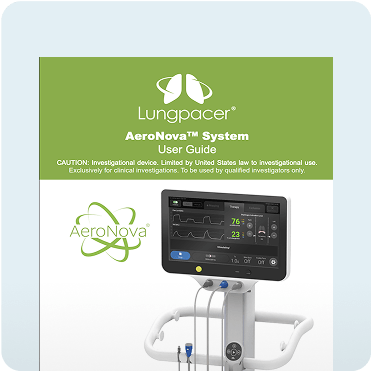
Lungpacer Medical, based in Exton, Pennsylvania, is developing the AeroNova System as an investigational temporary transvenous diaphragm neurostimulation platform. The system uses a specialized cardiovascular catheter containing multiple electrodes that stimulate the phrenic nerves while a patient remains on mechanical ventilation. Unlike intermittent pacing approaches, AeroNova is designed to deliver continuous stimulation synchronized with each ventilator breath, with the aim of supporting more physiologic diaphragm activity and reducing the intensity of positive-pressure ventilation.
Early feasibility work has examined effects on cardiac performance and pulmonary pressures in critically ill patients. The company received investigational device exemption approval to conduct the multi-center STARI trial evaluating the system in patients with acute hypoxemic respiratory failure. The device remains limited to clinical investigation in the United States and is not commercially available.
- Temporary transvenous catheter with electrode arrays for bilateral phrenic nerve stimulation
- Continuous stimulation synchronized with mechanical ventilation cycles
- Designed to support diaphragm activity while reducing ventilator positive pressures
- Investigational status with FDA investigational device exemption for clinical study
- Early data from the STIMULUS trial examined hemodynamic and pulmonary pressure effects
- Enrolling in the Phase 2 STARI trial at multiple U.S. and Canadian centers
15. NeuRx Clinical Station

Synapse Biomedical provides the NeuRx Clinical Station as the dedicated programming and mapping platform used with its diaphragm pacing electrodes. Clinicians employ the station during and after laparoscopic implantation to identify optimal motor-point locations in the diaphragm, test capture, and set individualized stimulation parameters for intensity, timing, and pulse characteristics.
The system allows each electrode to be adjusted independently so the resulting breath pattern matches the patient’s residual muscle response and clinical needs. Once settings are finalized, the external pulse generator delivers the programmed therapy. The Clinical Station remains a hospital-based tool rather than a patient-owned device and is used under specialist supervision to establish and later refine therapy for spinal cord injury patients who meet the NeuRx indication criteria.
- Hospital-based programming console for electrode mapping and parameter setting
- Independent control of multiple intramuscular diaphragm electrodes
- Used intraoperatively to locate motor points and confirm diaphragmatic capture
- Supports adjustment of pulse amplitude, duration, and respiratory rate
- Interfaces with the external pulse generator after implantation
- Part of the overall NeuRx system workflow for chronic pacing in eligible adults
16. PermaLoc Electrodes

The PermaLoc electrodes are the implantable intramuscular components developed by Synapse Biomedical for long-term diaphragm pacing. Four electrodes are placed laparoscopically into the diaphragm near phrenic nerve motor points without direct contact with the nerve itself. Anchoring features help secure the leads within the muscle tissue for chronic use. The electrode wires are tunneled to a percutaneous exit site on the chest where they connect to the external stimulator.
Materials include biocompatible stainless steel and other established implant-grade components. These electrodes form the tissue-contact portion of the NeuRx system and are intended for patients with stable high spinal cord injury who have stimulatable diaphragms. Follow-up care includes monitoring of the exit sites and verification that stimulation continues to produce reliable diaphragmatic contraction.
- Four intramuscular electrodes implanted laparoscopically into the diaphragm
- Designed with anchoring features for long-term muscle placement
- Positioned near phrenic nerve branches without direct nerve contact
- Leads exit percutaneously for connection to an external pulse generator
- Biocompatible materials selected for chronic implantation
- Used within the NeuRx Diaphragm Pacing System for eligible spinal cord injury patients
How the Phrenic Nerve Controls the Diaphragm
The phrenic nerve is the main wire between the brain and the diaphragm. It leaves the neck, travels through the chest, and tells that dome-shaped muscle to drop. When the diaphragm drops, the lungs fill. When the signal pauses, the muscle rises and air leaves.
People comparing electrical nerve stimulation devices often want that same idea in simple terms: a timed pulse can stand in when the brain’s own breath command is weak or missing.
That is different from a general calm tool. Phrenic work is about a pump. One nerve. One muscle. A breath cycle that has to stay on time.
A few facts keep the picture clear:
- The nerve usually runs on both the left and right sides
- Intact nerve tissue and a working diaphragm are needed for pacing to make sense
- Central sleep apnea, high spinal injury, and some hypoventilation conditions are the settings where specialists discuss this path
- Temporary hospital leads and long-term implants are medical tools, not wellness gadgets
The phrenic nerve also sits near other autonomic paths that shape how tense or easy breathing feels. Shallow, fast breaths often travel with a wired nervous system. Slow belly breaths travel with a quieter one. That overlap is why how to activate the parasympathetic nervous system and vagus nerve reset exercises show up next to respiratory care, even though they are not the same treatment.
Phrenic nerve stimulation sends a small electrical cue so the diaphragm contracts in a more natural rhythm. The result, when a clinic team has chosen the right candidate, is air moving because the muscle moved, not because a machine pushed it.
Breathing Habits That Sit Beside Nerve Support
A pacing system does the heavy mechanical job. Daily habits still shape comfort around that job. They do not replace a prescribed implant or a hospital catheter. They sit next to it.
Diaphragm-first breathing keeps attention on the belly, not the upper chest. A hand on the abdomen can show whether the muscle is doing the work. A longer exhale often makes the next inhale feel less forced. The same pattern appears in vagus nerve stimulation techniques because breath is a shared language for both nerves.
Posture changes how freely the diaphragm can drop. A collapsed chest leaves less room. A supported sit or a slight recline can make a paced or unpaced breath feel smoother. Sleep position matters too for people whose breathing pauses at night.
Pacing the day helps when air hunger and stress feed each other. Short rest breaks, slower speech, and fewer stacked tasks lower the chance that the body starts panting from tension rather than need. Write-ups on nervous system health strategies and nervous system reset strategies treat that load as part of respiratory ease.
A simple support stack looks like this:
- Clinic-directed phrenic therapy when a specialist has set that plan
- Slow belly breaths during quiet hours
- Neck and chest softness so the diaphragm is not fighting tight muscles
- Sleep routines that cut extra arousal before bed
Related device guides on trigeminal nerve stimulation and repetitive nerve stimulation map nearby nerve tech without standing in for a diaphragm pacer. The line is simple. Medical phrenic systems move the diaphragm. Home breath work and calm-nerve habits support how the rest of the body meets that movement.
Practical Considerations for Respiratory Nerve Support
Clinical devices require evaluation by specialists familiar with diaphragm pacing or central sleep apnea management. Non-invasive vagus nerve devices that influence broader nervous system pathways can complement daily routines for people seeking calmer breathing comfort. Consistent short sessions and proper electrode contact produce the most reliable results.
Combining stimulation with upright posture or gentle breathing practice often enhances the felt effect. Devices from the best vagus nerve stimulators collection emphasize accessible support that many integrate without major changes to existing habits.
Who Is a Candidate for Phrenic Nerve Stimulation?
People whose own breath signals no longer reach the diaphragm reliably often enter this conversation. High cervical spinal cord injuries sit near the top of that list because the nerve itself can stay intact below the injury level. Central hypoventilation syndromes and certain brainstem issues also bring specialists into the room. Intact phrenic nerves plus some leftover diaphragm movement remain the shared starting point. Tests look at nerve conduction and visible muscle response before any pacing path moves forward.
Everyday breathing comfort sits in a nearby lane for many readers. Shallow, rapid patterns often travel with a tense nervous system. Slow belly breaths and vagus nerve stimulation techniques appear in daily routines where people seek steadier rhythms without clinical hardware. How to stimulate the vagus nerve for anxiety covers simple methods that support the rest-and-digest side of the same broader system. Sleep quality and overnight pauses also draw attention. Specialists decide suitability after full evaluation. Home tools do not stand in for that workup. The line stays clear between medical pacing for specific respiratory failure and general nervous system support for daily ease.
Risks and Side Effects of Phrenic Nerve Stimulation Devices
Surgical placement carries the usual risks of any procedure near nerves and vessels. Infection at incision sites, bleeding, or temporary nerve irritation can appear in the early period. Long-term hardware issues include lead movement, wire breakage, or receiver problems that require adjustment or revision. Skin under external antennas or exit sites needs regular checks for irritation. Stimulation itself can produce shoulder or abdominal discomfort in some users until settings settle.
Temporary hospital systems add their own points of attention. Catheter position and stimulation intensity stay under close monitoring so the diaphragm can capture without excess effort. Non-invasive vagus nerve stimulation wellness tools that target related pathways carry milder contact concerns. Gel or electrode placement on the neck can cause mild redness if contact is uneven.
Follow-up visits catch problems early. Battery changes, antenna seating, and skin care form part of the daily routine for external components. Any new shortness of breath, chest pain, or unusual twitching prompts a clinic check rather than self-adjustment. Breathing habits that support comfort sit beside these tools.
Latest News In 2026
Phrenic nerve work in 2026 continues to separate clinical pacing from everyday nervous system support. Implant and hospital teams refine how temporary catheters and permanent systems match natural inhale timing. Sleep programs keep using transvenous approaches for central sleep apnea when mask therapies have not fit. Those paths stay inside specialist care.
More readers reach the topic through stress, sleep, and diaphragm training. Clearer labeling appears across pages so families can tell implantable pacers, ICU catheters, and home wearables apart. The best calm technology and best wellness technology highlight tools that support recovery without clinical hardware. Follow-up patterns grow more structured. Device checks sit next to simple breath logs and sleep routines.
The hardware still needs a care team when it is medical. The daily rhythm still benefits from a quieter nervous system. The best vagus nerve ear stimulation offers another route some people add when they want gentle support for overall balance alongside breathing care.
FAQ
Who typically receives phrenic nerve stimulation therapy?
People with intact phrenic nerves and residual diaphragm function who need chronic ventilatory support or have moderate to severe central sleep apnea may qualify after specialist evaluation. Conditions such as high spinal cord injury or certain forms of hypoventilation often lead to consideration. A full clinical assessment determines suitability and the most appropriate system.
How does temporary stimulation differ from implantable systems?
Temporary systems use catheters placed for short periods during intensive care to keep the diaphragm active while a patient remains on a ventilator. Implantable systems provide long-term pacing through surgically placed components and external transmitters. Each serves distinct stages of respiratory management.
Can non-invasive devices help with everyday breathing comfort?
Some wearable or handheld vagus nerve stimulation devices influence related parasympathetic pathways that many users link to steadier daily breathing rhythms. These options do not replace clinical diaphragm pacing but can support general nervous system balance as part of a broader routine.
What follow-up is needed after starting therapy?
Regular clinical checks confirm proper function, adjust settings, and monitor comfort. External components may need battery or antenna care. Patients learn daily management steps so the system continues to deliver consistent support over time.
What does the phrenic nerve do?
The phrenic nerve carries the brain’s “breathe in” message to the diaphragm. When that message arrives, the muscle drops and the lungs fill. When the message pauses, the muscle rises and air leaves. Damage, a high spinal injury, or a central breathing problem can weaken that message. Stimulation is one way clinics try to restore a timed cue.
Is phrenic nerve stimulation the same as vagus nerve stimulation?
No. Phrenic stimulation targets the nerve that drives the diaphragm. Vagus stimulation targets a different nerve that helps heart rate, digestion, and rest-and-digest tone. Both can change how breathing feels, but they are not interchangeable treatments. The best ways to stimulate the vagus nerve explains the vagus side. Phrenic pacing stays in the respiratory-device lane.
Can breathing exercises work next to phrenic nerve support?
Yes, when a care team has not restricted them. Slow belly breaths keep the diaphragm in the conversation during waking hours. They do not replace an implant or a hospital lead. They can make the rest of the day feel less rushed. Stop or change the drill if dizziness, chest pain, or unusual shortness of breath shows up.
Why do sleep and phrenic stimulation get discussed together?
Some systems watch for pauses in overnight breathing and send a pulse so the diaphragm contracts again. That is a clinic treatment for certain central sleep apnea patterns. It is not a consumer sleep gadget. Evening calm still matters because a wired body makes any breathing problem feel worse.
Who decides if phrenic nerve stimulation is appropriate?
A respiratory, sleep, or surgical specialist does. Tests look at nerve health, diaphragm movement, lung condition, and the type of breathing failure. Home wellness devices are not a stand-in for that workup. Follow-up visits, sleep studies, and device checks are part of the plan when a medical system is placed.
What daily habits sit next to clinical breathing support?
Slow belly breaths during quiet hours keep the diaphragm active in the conversation even when a pacing system handles the main mechanical work. A longer exhale often makes the next inhale feel less forced and supports overall comfort. Posture that opens the chest and short rest breaks reduce tension that can tighten the upper body and fight the muscle. The best vagus nerve stimulation exercises describe simple patterns that many add to morning or evening routines.
How do people handle external parts of a pacing system at home?
Antenna placement and battery changes follow the clinic schedule so the signal reaches the implanted receivers consistently. Skin under the antennas receives regular checks so irritation does not build over time. Clothing and sleep position get planned around the hardware so contact stays stable and the pulse does not weaken. Clinic visits retune settings if one side of the diaphragm weakens or comfort changes. These steps sit beside broader nervous system habits. How to massage the vagus nerve covers light methods some use to support calm during the day.
Can stress levels change how breathing feels even with a pacing system in place?
Yes. A wired nervous system often turns normal air hunger into faster, shallower patterns that feel harder even when the diaphragm receives a timed cue. Short sessions that support the parasympathetic side sit beside the mechanical work of pacing. Consistent sleep and reduced evening stimulation also help the body stay out of a heightened state. The best ways to stimulate the vagus nerve fit into daily life for people managing both clinical support and everyday tension.
What role does posture play for people using any form of respiratory support?
A collapsed chest leaves less room for the diaphragm to drop, so each breath can feel more restricted whether the muscle moves from its own signal or from a pacer. A supported sit or slight recline often makes each breath feel smoother and reduces the sense of effort. Neck and shoulder softness keeps the upper body from fighting the muscle and allows freer movement. These adjustments do not replace clinical settings. They sit next to them and work well with vagus nerve stimulation techniques that encourage overall relaxation.
Do overnight systems require special sleep routines?
Yes. Position changes at night can shift leads or antennas, so teams program around usual sleep habits to keep capture reliable. Evening calm still matters because extra arousal makes any breathing pattern feel harder and can increase the sense of air hunger. Device checks and sleep studies remain part of the medical plan. The best vagus nerve stimulation devices for sleep quality are wearable options that many people use as part of their wind-down.
Read Also:
Pulsetto Reviews 2026: Does This Vagus Nerve Stimulator Actually Work?
Best Ways to Reduce Oxidative Stress in 2026
Best Ways to Reduce Stomach Inflammation in 2026
Top VNS devices
Explore vagus nerve tools and find the approach that fits your routine.
Learn more You'll be taken to an external site.- Choosing a selection results in a full page refresh.
- Opens in a new window.