
Best Calm Technology in 2026

The best calm technology in 2026 focuses on devices that quietly support your nervous system without screens or constant alerts. Many people now reach for vagus nerve stimulators when stress builds or sleep feels hard to reach. These tools deliver soft signals that help the body move toward rest and balance.
For those looking to expand their routine, the best biohacking devices and best biohacking tools can complement calm technology by supporting recovery, focus, and stress management. Exploring the best wellness tech and best wellness technology can also help you choose practical, non-intrusive solutions for better sleep and everyday balance.
Table of Contents
1. Why Calm Technology Matters for Stress and Sleep
2. Key Features That Make Calm Devices Effective
3. How Calm Technology Fits Into Modern Daily Life
4. Choosing the Right Format for Your Needs
5. Practical Ways to Get Steady Results
6. Best Calm Technology in 2026
7. What Makes Technology Feel Calm
8. How Calm Tech Fits Sleep, Work, and Recovery
9. Latest News In 2026
10. FAQ
Why Calm Technology Matters for Stress and Sleep

Calm technology works by sending gentle electrical or vibrational signals that activate the body’s natural calming pathways. The goal is simple. Help the parasympathetic system take the lead so breathing slows, tension eases, and focus returns. Devices in this space range from neck-worn units to wrist bands and handheld tools. Users often notice a quicker shift out of fight-or-flight mode during short sessions.
Consistent use can support steadier energy across the day and smoother transitions into rest at night. Many find these tools fit easily into morning or evening routines without disrupting work or family time. Exploring the best non-invasive vagus nerve stimulation devices shows how these signals fit modern stress patterns.
Key Features That Make Calm Devices Effective
Effective calm technology devices prioritizes comfort, short sessions, and adjustable intensity. Look for options that offer app guidance, multiple modes for stress or sleep, and designs that stay discreet during daily activities. Battery life matters for all-day wearables, while portability helps with travel or office use.
The strongest devices focus on direct or indirect support of the vagus nerve pathway, which influences heart rate, digestion, and emotional balance. Materials that feel soft against the skin and simple controls reduce any learning curve. These elements combine to create tools that feel practical rather than complicated. Many readers also review the best vagus nerve stimulator reviews when comparing formats.
How Calm Technology Fits Into Modern Daily Life
Calm technology has moved beyond specialty wellness into everyday tools that many keep on a nightstand or in a bag. Short sessions fit between meetings or before bed. Wearable vagus nerve stimulator devices allow background support during work or travel. The shift reflects growing interest in drug-free ways to manage tension and improve rest quality.
Devices that stay discreet and require little setup see the strongest ongoing use. Pairing a device with simple habits like steady breathing or consistent timing can amplify the sense of ease. For those exploring options, the vagus nerve stimulator collection offers a range of formats that match different lifestyles.
Choosing the Right Format for Your Needs
Selecting calm technology starts with preferred style. Neck or ear vagus nerve stimulator devices suit people who like dedicated short sessions. Wrist bands work well for continuous background support. Handheld units offer flexibility for multi-site use. Consider battery life, comfort during wear, and whether app guidance feels helpful. Many begin with one mode focused on stress or sleep and expand later.
Consistency matters more than intensity. A vagus nerve stimulator device that feels easy to use daily tends to deliver steadier results over weeks. Review return policies and start with moderate settings to find a comfortable match. Techniques covered in best vagus nerve stimulation techniques can pair well with any chosen format.
Practical Ways to Get Steady Results
Start with short sessions at the same time each day. Track how sleep or daytime tension feels after one or two weeks. Combine device use with basic habits such as reduced evening screen time or light evening movement. Keep the device charged and gel or electrodes ready if needed. Many notice smoother transitions into rest when sessions happen before bed. Midday use can help reset after demanding periods. The key is regular practice rather than long single sessions. Over time the body often responds more readily to the signals.
Best Calm Technology in 2026
1. Pulsetto - Best Calm Technology in 2026

Description
Tailored Comfort:
Equipped with two detachable magnetic paddings designed to adapt to different neck sizes, delivering a secure and comfortable fit.
Advanced Pulsation Mode:
Introduces a flowing, wave-like stimulation pattern that aligns with your breathing to promote deeper relaxation of the nervous system.
Extended Battery Performance:
Provides up to 20% more battery life, allowing approximately 1.2 weeks of daily use on a single charge.
Improved Durability:
Built with reinforced materials to withstand consistent, everyday use over time.
Seamless App Experience:
Access the same 5 guided programs and enjoy a 14-day Premium trial, along with the full sound library and optional add-ons available in the Lite version.
What’s Included:
Pulsetto device, two magnetic paddings, 60g gel tube, USB-C charging cable, and user manual.
Safety Assurance:
FCC-certified and powered by the same ULRE technology as the Lite model. Medical consultation is advised for users with implantable devices.
Pulsetto - Your Peace & Better Sleep Partner

Pulsetto is a wearable wellness device designed to support relaxation by using vagus nerve stimulation (VNS). Through gentle electrical impulses applied to the neck, it helps activate the body’s natural calming response. This process encourages a state of relaxation, making it easier to fall asleep, stay asleep, and manage everyday stress more effectively.
Advantages of Pulsetto:
Stress Relief:
Helps reduce daily stress by stimulating the vagus nerve and shifting the body into a natural “rest and recover” mode.
Better Sleep Quality:
Supports deeper, more restorative sleep by calming the nervous system and promoting relaxation before bedtime.
Sharper Focus:
Encourages mental clarity and reduces brain fog, helping improve concentration throughout the day.
Improved HRV (Heart Rate Variability):
Enhances HRV, a key indicator of cardiovascular health and the body’s ability to handle stress.
Digestive Support:
Stimulates the gut-brain connection, contributing to better digestion and reduced bloating.
Support for Chronic Conditions:
Provides additional support for individuals dealing with ongoing stress, anxiety, or fatigue, helping improve overall well-being.
What’s Included:
- Pulsetto Vagus Nerve Stimulation Device
- USB-C Charging Cable
- Electrode Gel (approximately one month supply)
- User Guide
- Free Premium App Trial (includes 11 guided meditations, 54 breathing exercises, and 1,200 positive affirmations)
How Pulsetto Works:
Getting started with Pulsetto is quick and simple, with effects often felt in just a few minutes:
1) Apply a sufficient amount of gel to your neck or directly onto the electrodes.
2) Position the device comfortably around your neck.
3) Connect it to the Pulsetto mobile app on your smartphone.
4) Select your preferred program and activate the device via the app.
Once activated, the device delivers a soft, tingling, or vibrating sensation around the neck area. This gentle stimulation triggers the parasympathetic nervous system, helping the body relax and reducing overall stress levels.
2. Apollo Neuro

Apollo Neuro is a wearable band worn on the wrist or ankle. It sends gentle, patterned vibrations through the skin to support the parasympathetic nervous system, the body’s rest and digest mode. A quiet physical cue can help the body leave a wired state without a screen or a loud alert.
The band stays on during normal life. Work, walking, workouts, and sleep are all typical times to wear it. Users pick a mode that matches the moment, such as calm, focus, energy, recovery, or sleep. The sensation is mild, closer to a soft pulse than a strong massage. Many people keep it on for long stretches because it does not need a closed door.
A companion app stores sessions and changes intensity and timing. The hardware still does the main job on the body. Consistent wear is the usual pattern. Fit should be snug enough for a clear vibration and loose enough for hours of use. Charging becomes part of the weekly rhythm. Vibration is the signal. The nervous system does the rest.
3. Truvaga Plus

Truvaga Plus is a handheld device that sends short bursts of gentle electrical pulses into the side of the neck. That area sits close to the cervical branch of the vagus nerve. The aim is a calmer nervous system, clearer thinking, and easier rest after a tense day.
A session is brief. The unit is held against the neck, intensity is set to a comfortable level, and a short cycle runs. Buttons on the device control the feel. No headset or earbud is required. People often use it at a desk, in a parked car, or at home before bed. The battery is rechargeable for repeated daily use. Gel or a conductive spray can help the signal reach the skin cleanly.
Placement needs care. The contacts belong on the side of the neck, not over the windpipe, and not on broken skin. The sensation should feel tingly or warm, not sharp. If it feels too strong, the level comes down. After the session, the unit goes back in a bag or drawer. The pulse runs, then stops. That on and off pattern is the point.
4. VeRelief Prime

VeRelief Prime is a compact handheld stimulator from Hoolest. It targets the vagus nerve and nearby pathways with gentle electrical signals. The design favors speed. A short session is meant to help the body leave a stressed state and settle into a more relaxed one.
The unit is small enough for a bag, coat pocket, or desk drawer. That size helps people who do not want a band on the wrist all day. Multiple frequency options change how the pulse feels. Some settings feel like a light buzz. Others feel slower. Users start low and move up only if the skin tolerates it.
No prescription is required for this style of consumer device. Setup is usually simple: clean skin, place the contacts, choose a level, run the session. Because it is handheld, attention is needed for those few minutes. The user decides when the signal starts and when it stops. Dry contacts can sting, so a little moisture or gel can smooth the feel. It should not be used on the throat, on irritated skin, or while driving.
5. Xen

Xen is an earbud-style device from Neuvana that sends micro-pulses to the auricular branch of the vagus nerve in the outer ear. A session can run while music or ambient sound plays, so it can blend into a commute, a stretch, or quiet work.
Once the piece sits in the ear, the hands stay free. Intensity is adjusted in a companion app. Session length is flexible. Some people use a few minutes. Others keep it in longer while they listen. The sensation is often a light tingle, not a shock. Hair can hide the earpiece, which appeals to people who dislike a neck wand or a wrist band.
Fit is the main comfort issue. A poor seal distracts. A good seal fades after a minute. Clean, dry skin in the right zone helps the pulse stay even. People with ear infections, implants near the head, or dizziness should be cautious. Start at a low level and stop if the ear feels sore. Store the earpiece clean so the next session does not irritate the canal.
6. Lief Smart Patch

The Lief Smart Patch is a small wearable from Lief Therapeutics that measures heart rate variability in real time. When stress signals rise, it uses vibration cues to prompt slower breathing or another calming habit. The patch sits under clothing, so it can monitor without looking like a gadget on the wrist.
This tool uses a feedback loop. The sensor watches. A cue arrives. The person changes breath. The body often follows. That is different from a device that only pulses on a timer. Here the timing follows the user.
An app stores patterns and offers coaching. The hardware still does the quiet work on the body. Heart rate variability reflects how quickly the nervous system can shift between alert and rest. A patch that notices a drop can catch a spike early.
Adhesive comfort matters for all-day wear. Skin should be clean and dry so the reading stays clear. Charging and replacing adhesives become part of the weekly routine. The alert is a vibration, not a banner. It asks for a breath, then gets out of the way.
7. gammaCore

gammaCore is a handheld non-invasive vagus nerve stimulator held to the side of the neck. It sends controlled electrical signals through the skin toward the cervical vagus pathway. The unit was first known for headache-related use. Some people also use this style of tool for broader nervous system support at home.
Sessions are short and targeted. The user controls intensity. The device is portable and can live in a bag or on a nightstand. Conductive gel often helps create a clean contact. After the cycle, the unit turns off. There is no all-day glow on the wrist.
Placement, duration, and level follow a set pattern. That structure helps people who want a clear start and stop. For a few minutes, the hand stays on the device. The contacts belong on the side of the neck, not on the front of the throat. Broken skin is off limits. Anyone with an implanted device or a serious heart condition should get medical guidance first. Charging and gel supply are the only ongoing extras. A pulse, a pause, then normal life again.
8. Quell

Quell is a wearable neuromodulation device worn on the upper calf. It uses electrical signals to influence nerve pathways tied to comfort and pain. Some users also notice a calmer evening and easier rest, which is why it appears in calm technology lists even though pain support was the original focus.
The calf site keeps the hardware off the wrists and neck. Pants can hide the band. Daily movement can continue. Sleep is possible with it on for people who tolerate the feel. An app handles tracking and adjustments. During use, the device can run with little active attention.
Continuous, low-level input is the design idea. Instead of one brief blast, the signal can stay in the background. The sensation should stay comfortable. If it bites, the level comes down. Tight socks, lotion, and sweat can change contact, so a stable fit keeps the signal even. People with poor circulation, numbness, or implants should ask a clinician before using electrical calf stimulation. The band is a quiet loop on the leg, not a watch face full of badges.
9. Whoop

Whoop is a screen-free wearable band that tracks heart rate variability, recovery, sleep, and strain. It does not put a glowing face on the wrist. That missing screen is a big reason it shows up in calm technology lists.
The band is worn day and night. The app, checked later, shows how the body handled stress and whether recovery looks strong or thin. A low recovery day is a cue to protect rest. A high strain day is a cue that the nervous system already worked hard.
Whoop does not send a vagus pulse. It measures. For many people that is enough. Seeing a poor sleep score can cut late-night scrolling. Seeing a strained recovery score can cut a stacked workout. The calm comes from the decision after the data, not from a buzz on the skin.
Charging happens on a slide-off battery so the band can stay on the arm. If the app is opened once or twice a day, the tool stays quiet. If it is checked every hour, the calm benefit drops. The band is a mirror. Body habits still do the heavy lifting.
10. Empatica EmbracePlus

Empatica EmbracePlus is a research-grade wrist wearable that monitors signals linked to stress and autonomic activity. It tracks electrodermal activity, heart rate, and movement with a level of detail that started in clinical and research settings. Some people also use it when they want a closer look at how daily events move the nervous system.
Electrodermal activity reflects sweat gland changes tied to arousal. Combined with heart data and motion, the picture is richer than step counts. Software visualizes patterns over time. A hard meeting, a poor night, or a long commute can show up as a shape on a chart, not just a feeling.
This is calm tech in the measurement sense. The watch face is not the product. The signal quality is. A snug, consistent fit means fewer gaps in the data. Charging windows should be planned so nights are not missing. The dashboard is checked on purpose, not as a nervous habit.
EmbracePlus will not massage the neck or pulse the ear. It tells a story about load. That story can support calmer choices, such as an earlier bedtime or a slower afternoon.
11. TouchPoints

TouchPoints are small wearables from The TouchPoint Solution that deliver bilateral alternating stimulation through gentle vibrations. They are worn on both wrists or held in the hands. The pattern moves from side to side. That left-right cue is meant to help the body settle during spikes of stress or overwhelm.
Sessions are short and used as needed. A tense inbox. A hard conversation. A crowded commute. The devices come out, run for a few minutes, then go back in a pocket. That on-demand style is different from a band that stays on all night.
The sensation is a soft buzz, not an electrical sting. Many people keep a pair at the desk because the barrier to use is low. No gel. No neck placement. No earpiece to clean. There is no video and no feed. There is a rhythm on the skin.
A loose band weakens the feel. A tight band can annoy the wrist bones. The goal is contact that is easy to ignore except for the pulse. TouchPoints do not track sleep stages or score recovery. They are a tool for the moment tension rises. That narrow job is the strength.
12. Biostrap
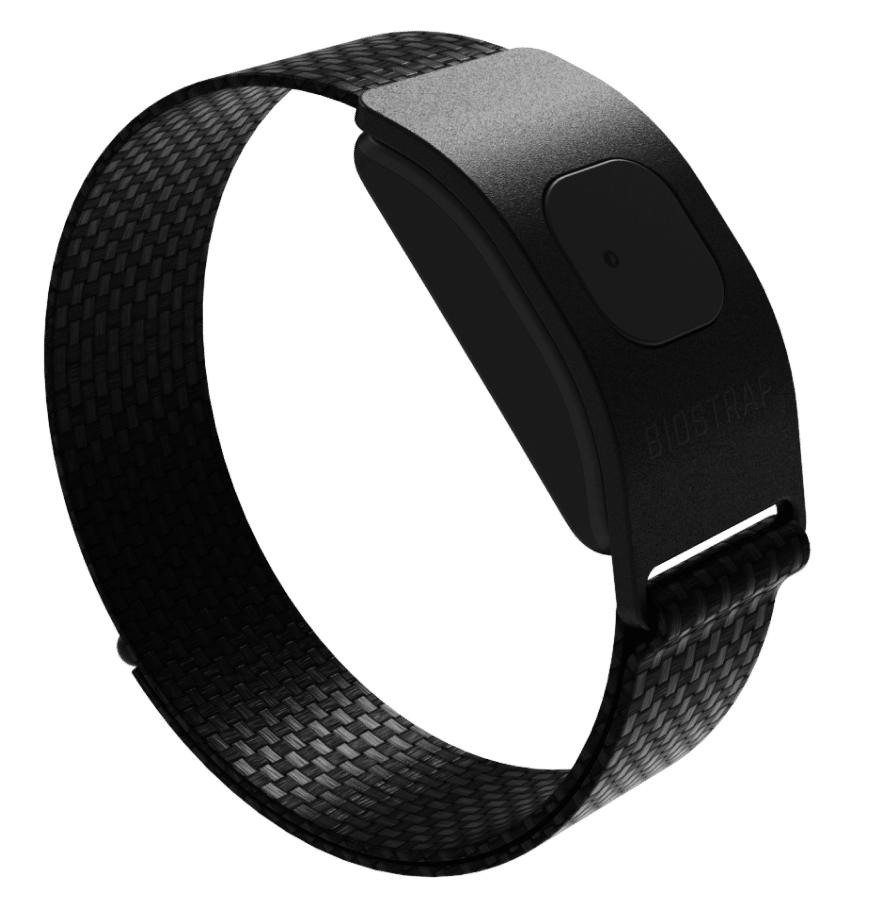
Biostrap is a wearable system that tracks detailed biometrics, including heart rate variability, sleep stages, and recovery. A wristband and optional sensors collect data that basic fitness trackers often skip. The platform focuses on how the body handles daily demand, not on closing activity rings.
The app shows trends. Sleep quality. Overnight heart rate variability. Resting patterns. Those trends can explain why one week feels raw and the next week feels steady. People who want more granular recovery data than a simple step watch often land here.
Biostrap is measurement-first. It does not stimulate the vagus nerve with a pulse. It records the state that rest habits are trying to improve. A week of earlier nights may show up as cleaner sleep stages. A stacked schedule may show up as weaker recovery.
Optional sensors add detail at the cost of extra pieces to charge and wear. The core band still does most everyday tracking. The calm benefit depends on how the report is used. One check in the morning can shape the day. Ten checks can create jitter. The wearable writes the story down. Real rest still has to happen.
What Makes Technology Feel Calm
Calm technology stays in the background. It supports the body without pings, bright screens, or extra mental load. The goal is a quieter nervous system, not another app to manage.
People who want that kind of support often look at how to stimulate the vagus nerve, because many of these tools speak to the same rest and digest path that slow breathing uses.
True calm tech shares a few traits:
- Low attention demand, so work, walking, or rest can continue while it runs
- Soft physical input such as vibration, warmth, or light electrical pulses
- Short sessions that fit a real day
- Little or no screen time during use
- A clear job: sleep, stress drop, or focus
The test is simple. If a tool adds noise, it is not calm tech. If it helps the body settle and then gets out of the way, it is. Wearables on the wrist, ankle, ear, or neck are common. Handheld units suit a desk or bedside table. Trackers that skip a glowing display also belong in this group.
How Calm Tech Fits Sleep, Work, and Recovery
Calm tech works best when it matches the hour. Morning tools should not make you drowsy. Night tools should not spike alertness.
For sleep, many people pair a long exhale with a small device or a quiet band. Sleep-focused pages on vagus nerve stimulation devices for sleep and vagus nerve devices for deep sleep cover the same idea: lower arousal first, then lights out. Circadian timing matters too, which is why vagus devices for circadian rhythm focus on evening wind-down rather than late-night scrolling.
For work, quiet wearables beat meditation apps that need a closed door. Ear clips sit under hair. Wrist and ankle bands sit under clothing. A short handheld session after a tense meeting is often enough. Guides on vagus nerve devices for emotional regulation and vagus nerve reset methods describe that mid-day reset.
For recovery, calm tech supports HRV, digestion, and muscle ease:
- Breath-paced stimulation after exercise
- Light neck or ear input when the gut feels tight
- Vibration or pulse when the shoulders stay high
Those same paths show up in vagus nerve stimulation for heart rate regulation, devices for inflammation, and best ways to reduce oxidative stress. Stomach vagus nerve massage is a common body-based pair when stress lands in the gut.
A useful stack stays small:
- One wearable for the day
- One handheld or sound tool for night
- One body habit such as slow breathing or light massage
More gadgets rarely add more calm. The body notices the quiet signal. Then it needs space to use it.
These tools sit further down many 2026 lists. They still fit the calm-tech idea: quiet input, limited alerts, and support for stress, sleep, or heart rate variability.
Latest News In 2026
Calm technology in 2026 is getting quieter, not louder. New designs hide pulses in ear clips, thin wrist bands, calf wraps, and pocket units. Screens stay off during the session.
Ear-based methods keep growing because the outer ear gives a direct route to the vagus nerve. Coverage of transcutaneous vagus nerve stimulation devices and vagus nerve stimulation techniques reflects that shift toward lighter, hands-free formats.
Sleep and mood are still the main reasons people search this category. Pieces on devices for sleep quality and devices for emotional regulation treat calm tech as nightly or mid-day support, not a clinic visit.
Another 2026 thread is pairing tech with simple body work. Breath, massage, and a short device session now share the same window. The best ways to stimulate the vagus nerve puts those habits next to wearables instead of in separate boxes.
The filter most buyers use this year is attention. Tools that demand an app for every minute feel less calm than tools that run, then stop.
FAQ
What makes a device count as calm technology?
Calm technology refers to tools that support the nervous system with minimal interruption. These devices use soft electrical or vibrational signals to encourage rest-and-digest states. They avoid bright screens or frequent alerts. The focus stays on practical daily stress relief and sleep rather than complex tracking alone.
How quickly do people usually notice a difference?
Many feel a shift during or right after the first few sessions. Vagus nerve stimulation benefits often appear after regular use over several days or weeks. Individual response varies based on consistency and personal nervous system patterns. Starting with short, comfortable sessions helps the body adapt smoothly.
Are these devices safe for everyday use?
Most non-invasive calm technology options are designed for healthy adults and follow basic safety guidelines. People with pacemakers, certain heart conditions, or other medical concerns should check with a healthcare professional first. Following manufacturer instructions on intensity and session length keeps use comfortable.
Can calm technology replace other stress habits?
These devices work best as a helpful addition rather than a full replacement. Pairing them with simple routines such as steady breathing or consistent sleep timing often strengthens results. They offer convenient support that fits around existing habits without requiring major schedule changes.
What is calm technology?
Calm technology is hardware that helps the body settle without grabbing your attention. Think soft vibration, light pulses, or a screen-free tracker. It is the opposite of a phone that lights up every few minutes. Many current tools work through the vagus nerve or through HRV feedback, which is the body’s rest-and-digest line from brain to gut.
How is calm tech different from a wellness app?
An app still needs eyes and taps. Calm tech does the work on the skin, ear, neck, wrist, or calf. You can sit still or keep moving. A session starts, a mild sensation or cue appears, then the body takes over. Apps can log a session. They are not the session.
Can calm technology help with sleep?
It can, when the tool lowers nighttime alertness instead of adding light. Long-exhale breathing plus a short evening session is a common pair. Sleep-focused guides on vagus nerve stimulation devices for deep sleep describe that wind-down. Sound or vibration helps when noise or a racing mind is the trigger. Bright screens right before bed work against the same goal.
Where do people wear these devices?
Wrist, ankle, ear, neck, calf, and the hand all show up in this category. The neck and ear sit closest to vagus pathways. The wrist is easier for all-day wear. Handheld tools suit a sofa or bedside table. Fit matters more than form. If the device digs, slips, or needs constant checking, it stops feeling calm.
Is calm technology safe for daily use?
For most healthy adults, non-invasive vagus nerve home devices are used daily in short blocks. Start low. Stop if you feel dizzy, numb, or unusually wired. People with implanted electronics, heart rhythm issues, or pregnancy usually check with a clinician first. Consistency and comfort matter more than intensity. A gentle daily signal is the usual pattern, not a long, strong session.
Read Also:
Pulsetto Reviews 2026: Does This Vagus Nerve Stimulator Actually Work?
Best Non-Invasive Vagus Nerve Stimulation Devices in 2026
Best Vagus Nerve Stimulator Reviews in 2026
Top VNS devices
Explore vagus nerve tools and find the approach that fits your routine.
Learn more You'll be taken to an external site.- Choosing a selection results in a full page refresh.
- Opens in a new window.