
The science behind
vagus nerve stimulation.
Your vagus nerve is the body’s most powerful regulatory highway — connecting brain, heart, gut, and immune system. Understanding it changes everything about how you manage stress, sleep, and wellbeing.
Simplified anatomical illustration — for reference only
What is the
vagus nerve?
The vagus nerve is the longest and most complex cranial nerve in the human body. Running from the brainstem all the way to the abdomen, it acts as a two-way superhighway between your brain and your major organs — heart, lungs, gut, liver, and kidneys.
Its name comes from the Latin word for “wandering” — because it wanders through the body connecting systems that scientists are still discovering are deeply interrelated. It is estimated that 80–90% of the nerve fibers carry information upward from the body to the brain, not the other way around.
This means your gut, your heart rhythm, and your breathing patterns are constantly sending data to your brain — influencing your mood, cognition, and stress response far more than most people realize.
The two systems
your vagus nerve balances.
Modern life chronically over-activates the sympathetic system. Vagus nerve stimulation is one of the only known ways to directly and reliably reset the balance.
Heart rate spikes
Blood is diverted to muscles, increasing heart rate and blood pressure to prepare for threat response.
Cortisol floods the body
Stress hormones suppress digestion, immunity, and sleep — useful short-term, damaging when chronic.
Hypervigilance & anxiety
The amygdala stays activated, keeping attention locked on threat detection — at the cost of rational thought.
Heart rate recovers
Breathing slows, blood pressure normalizes, and the body shifts into recovery mode.
Neurotransmitters rebalance
Serotonin, GABA, and acetylcholine rise — improving mood, digestion, and sleep depth.
How vagus nerve stimulation
works in your body.
Non-invasive transcutaneous VNS (tVNS) delivers gentle electrical pulses to accessible branches of the vagus nerve — triggering a cascade of physiological effects without surgery or drugs.
A precisely calibrated low-frequency electrical signal is applied to the skin — at the neck, ear, or wrist — where vagus nerve branches lie just 1.5cm beneath the surface. The sensation is mild, like a gentle tingling.
The afferent nerve fibers carry the signal upward to the nucleus tractus solitarius (NTS) in the brainstem — the brain’s primary receiving hub for body-state information. From there it propagates to the locus coeruleus, amygdala, and prefrontal cortex.
The brainstem activation triggers a measurable release of calming neurotransmitters — GABA reduces anxiety, acetylcholine slows heart rate, norepinephrine improves alertness, and serotonin stabilizes mood. HRV rises. Cortisol falls. The body enters recovery mode.
What the research
actually shows.
Non-invasive VNS has been studied in dozens of peer-reviewed clinical trials across sleep, anxiety, HRV, inflammation, and cognitive performance.
References available on request. Individual results may vary. Vagus Insider devices are wellness products and are not intended to diagnose, treat, cure, or prevent any medical condition.
Science-backed benefits
in real life.
Deeper, restorative sleep
Pre-sleep VNS sessions shift the nervous system into parasympathetic dominance, increasing slow-wave and REM sleep and reducing nighttime cortisol levels.
Rapid stress relief
Within minutes of stimulation, heart rate slows and cortisol production decreases — interrupting the fight-or-flight loop without medication or breathing exercises.
Improved HRV & heart health
Consistent VNS practice measurably raises Heart Rate Variability — the most reliable physiological indicator of nervous system balance and cardiovascular resilience.
Sharper mental clarity
VNS-triggered norepinephrine release improves working memory, sustained attention, and cognitive flexibility — particularly useful after stress or poor sleep.
Reduced inflammation
The vagus nerve’s cholinergic anti-inflammatory pathway, when activated regularly, suppresses systemic inflammation — with implications for pain, immunity, and longevity.
Better gut-brain communication
80% of vagus nerve fibers run from gut to brain. Stimulating this pathway improves digestion, reduces gut inflammation, and positively influences the microbiome-mood connection.
Apply the science.
Choose your device.
Each Vagus Insider device is engineered to deliver clinically-studied non-invasive vagus nerve stimulation — in the form that fits your lifestyle.
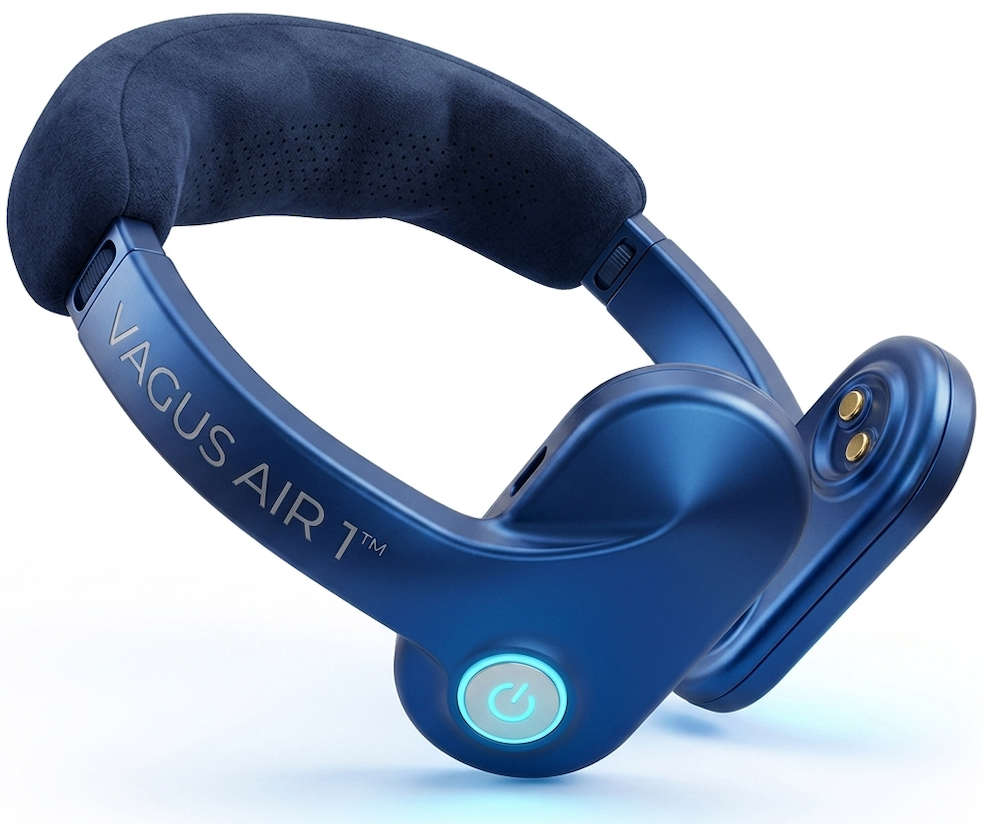
Vagus Air 1™
Earable — invisible, all-day VNS
Targets the auricular branch of the vagus nerve via the ear canal — the most studied tVNS site in clinical literature.
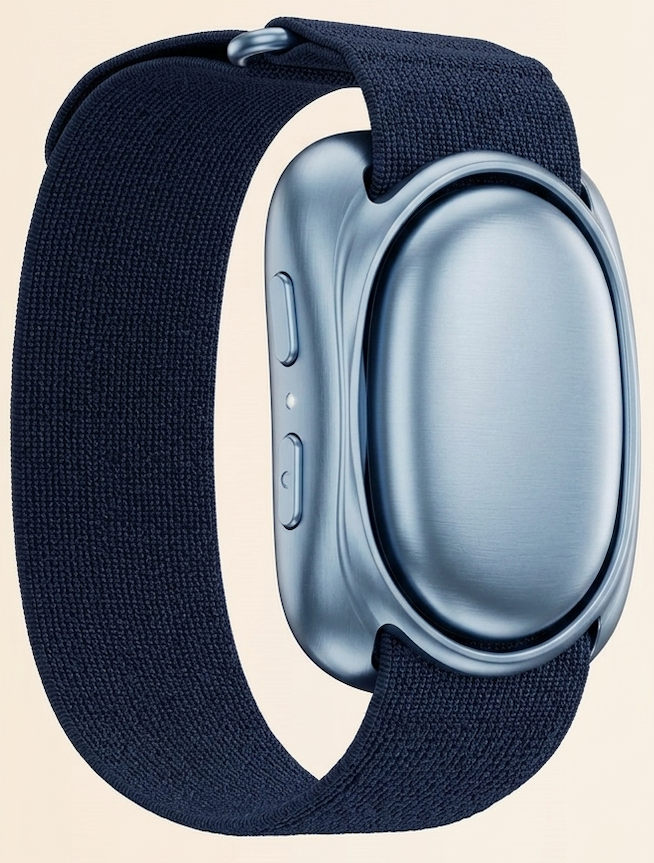
Vagus Band Pro 2™
Wrist-worn — continuous stimulation
Delivers ongoing low-level stimulation via the wrist’s radial nerve pathway, with heart rate biofeedback to adapt intensity in real time.
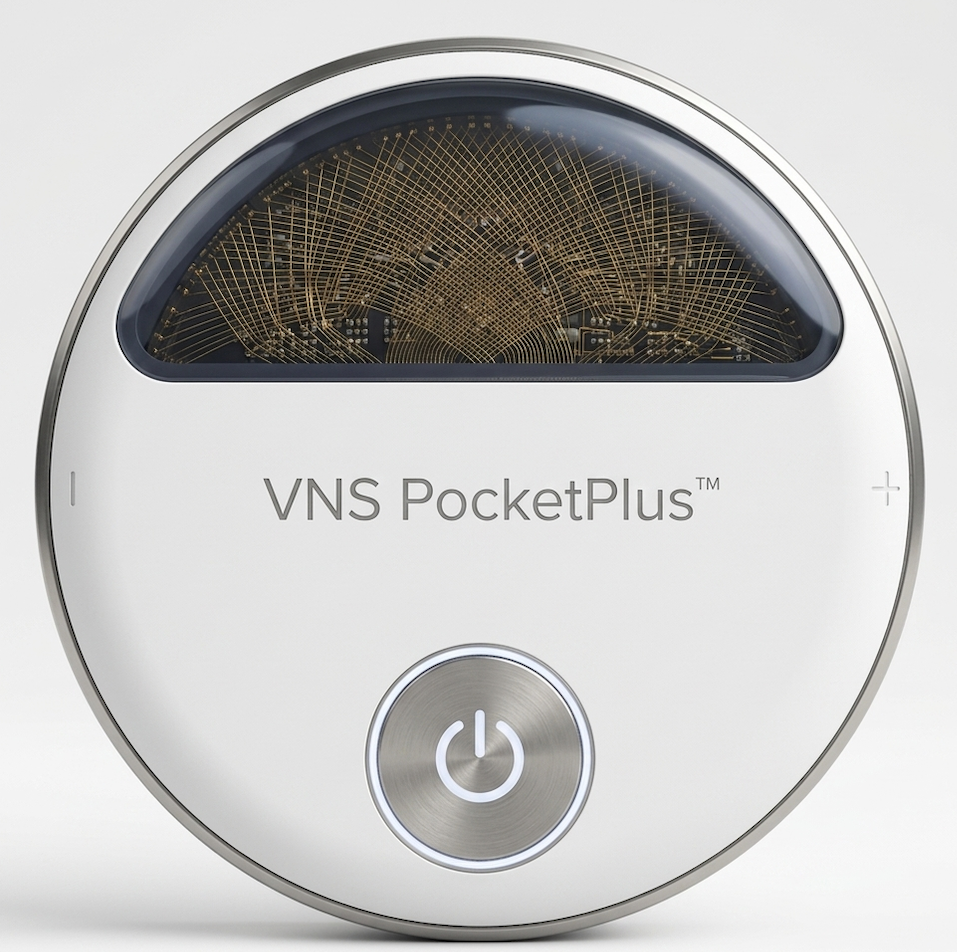
VNS PocketPlus™
Handheld — clinical-grade power
Adjustable waveform parameters and multiple stimulation sites give you the closest non-invasive approximation to clinical-grade cervical VNS — in your pocket.
Not sure which device is right for you?
Compare all devices →