
HRV vs Resting Heart Rate: Which Number Should You Track?
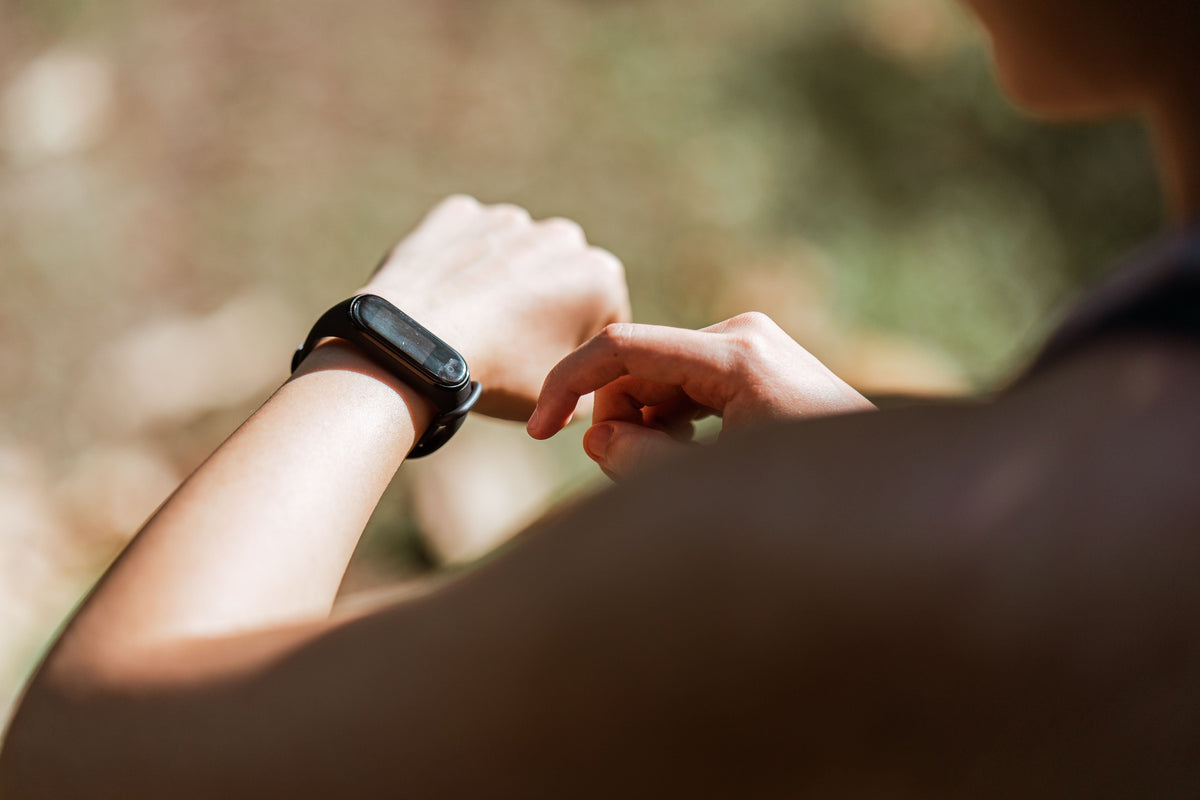
Resting heart rate and heart rate variability both come from your heart, yet they answer different questions. Resting heart rate counts how many times your heart beats in a minute at rest. HRV measures the tiny changes in time between those beats.
Many people track one or both to understand recovery, fitness, and stress. The right choice depends on what you want to know right now. For deeper support of the nervous system that influences these numbers, a wearable vagus nerve stimulation device can complement daily tracking.
HRV breathing exercises are often discussed alongside other approaches to heart rate variability and nervous system regulation. HRV stimulators offer a technology-assisted approach to supporting autonomic balance, while understanding what constitutes a good HRV score by age and gender provides useful context for interpreting individual HRV patterns and how they relate to recovery and overall well-being.
Check current insights on HRV and recovery tools at Vagus Insider.
What Resting Heart Rate Tells You

Resting heart rate is the number of heartbeats per minute when you are still and calm. Most adults fall in a familiar range, and fitter people often sit lower. A steady drop over months usually means your heart is getting more efficient from regular activity. A rise that lasts several days can flag poor sleep, dehydration, early illness, or heavy training load. This metric stays fairly stable day to day. That stability makes it useful for longer-term trends.
You can spot gradual fitness gains or notice when something is off without daily noise. Many trackers show it overnight or first thing in the morning. Consistency matters more than any single reading. Pair it with how you feel, because a higher number alone does not always mean trouble. How to increase Apple Watch HRV score often pairs resting heart rate trends with recovery habits that protect overall cardiovascular efficiency.
What Heart Rate Variability (HRV) Measures
HRV captures the natural variation in time between successive heartbeats, usually reported in milliseconds. Higher variability often means your autonomic nervous system can shift easily between rest and activity. The vagus nerve plays a large role here by supporting the parasympathetic “rest and digest” side. When that side is strong, HRV tends to look better. This number reacts faster than resting heart rate to short-term factors. A late night, alcohol, hard training, or stress can lower it by the next morning.
Some people see clearer signals from overnight averages than from short daytime checks. Because it is sensitive, your own baseline matters far more than comparing numbers with anyone else. Wearable vagus nerve stimulators that track sleep usually give the most practical view for daily decisions. Guidance on how to calm sympathetic nervous system shows how reducing fight-or-flight load supports steadier HRV patterns over time.
Core Differences Between the Two Metrics
The main gap is what each number actually reflects. Resting heart rate is a simple average speed. HRV looks at the rhythm and flexibility of that speed. The same resting heart rate can sit next to very different HRV values depending on how your nervous system is behaving at that moment.
|
Feature |
Resting Heart Rate |
Heart Rate Variability (HRV) |
|
What it measures |
Beats per minute at rest |
Variation between beats |
|
Main signal |
Overall cardiovascular demand and fitness trend |
Autonomic flexibility and recovery status |
|
How fast it changes |
Weeks to months for clear shifts |
Hours to days for noticeable moves |
|
Best used for |
Long-term fitness progress and illness flags |
Daily or weekly recovery decisions |
|
When strained |
Often rises above your usual range |
Often falls below your usual range |
|
Ease of reading |
Simple and stable |
More sensitive, needs personal baseline |
Both rise and fall with the same nervous-system balance. Stronger parasympathetic tone tends to slow the heart and raise HRV. When the two move in opposite directions for several days, the combined picture is usually clearer than either number alone. How to increase Fitbit HRV scores breaks down exercise, diet, and sleep factors that influence both metrics together.
Which Number Helps More for Recovery Tracking
For day-to-day recovery choices, many find HRV more responsive. It can drop before resting heart rate climbs, giving an earlier heads-up that your system needs easier effort or extra rest. A rolling multi-day average smooths out single-night noise and shows the real trend. Resting heart rate still adds value. A sustained rise while HRV stays low is a stronger “take it easy” signal than either change by itself. If HRV dips but resting heart rate and how you feel stay normal, most people can train as planned and recheck the next day. Neither metric replaces listening to your body. Use them as one input alongside sleep quality, soreness, energy, and recent training. Chris Kresser tips on a vagus nerve stimulation device to increase HRV connect daily recovery signals to broader nervous-system balance.
How to Track Both Numbers Practically
Measure under similar conditions each time. Overnight data from a consistent wearable vagus nerve stimulation device works well for most people. Morning checks right after waking, before coffee or movement, also give clean numbers. Build a personal baseline over a couple of weeks before treating daily changes as meaningful. Look at trends rather than single values. A multi-day average for each metric reduces random ups and downs. When both move in a concerning direction for more than a couple of days, scale back intensity. When both sit near your usual range, you can push harder with more confidence. Context always helps: recent hard sessions, travel, or poor sleep explain many short dips. How to reduce stress outlines habits that keep measurement conditions more consistent from day to day.
Ways to Support Better Numbers Over Time
Vagus Insider focuses on tools and guidance that target this pathway. Devices such as the Pulsetto deliver gentle neck stimulation in sessions that last only a few minutes. Many users report feeling calmer and seeing more stable HRV trends with consistent use. Reviews and side-by-side comparisons on the site show how these options stack up for stress relief and recovery support.
Pulsetto - Best Vagus Nerve Stimulation

Description
Tailored Comfort:
Equipped with two detachable magnetic paddings designed to adapt to different neck sizes, delivering a secure and comfortable fit.
Advanced Pulsation Mode:
Introduces a flowing, wave-like stimulation pattern that aligns with your breathing to promote deeper relaxation of the nervous system.
Extended Battery Performance:
Provides up to 20% more battery life, allowing approximately 1.2 weeks of daily use on a single charge.
Improved Durability:
Built with reinforced materials to withstand consistent, everyday use over time.
Seamless App Experience:
Access the same 5 guided programs and enjoy a 14-day Premium trial, along with the full sound library and optional add-ons available in the Lite version.
What’s Included:
Pulsetto device, two magnetic paddings, 60g gel tube, USB-C charging cable, and user manual.
Safety Assurance:
FCC-certified and powered by the same ULRE technology as the Lite model. Medical consultation is advised for users with implantable devices.
Pulsetto - Your Peace & Better Sleep Partner

Pulsetto is a wearable wellness device designed to support relaxation by using vagus nerve stimulation (VNS). Through gentle electrical impulses applied to the neck, it helps activate the body’s natural calming response. This process encourages a state of relaxation, making it easier to fall asleep, stay asleep, and manage everyday stress more effectively.
Advantages of Pulsetto:
Stress Relief:
Helps reduce daily stress by stimulating the vagus nerve and shifting the body into a natural “rest and recover” mode.
Better Sleep Quality:
Supports deeper, more restorative sleep by calming the nervous system and promoting relaxation before bedtime.
Sharper Focus:
Encourages mental clarity and reduces brain fog, helping improve concentration throughout the day.
Improved HRV (Heart Rate Variability):
Enhances HRV, a key indicator of cardiovascular health and the body’s ability to handle stress.
Digestive Support:
Stimulates the gut-brain connection, contributing to better digestion and reduced bloating.
Support for Chronic Conditions:
Provides additional support for individuals dealing with ongoing stress, anxiety, or fatigue, helping improve overall well-being.
What’s Included:
- Pulsetto Vagus Nerve Stimulation Device
- USB-C Charging Cable
- Electrode Gel (approximately one month supply)
- User Guide
- Free Premium App Trial (includes 11 guided meditations, 54 breathing exercises, and 1,200 positive affirmations)
How Pulsetto Works:
Getting started with Pulsetto is quick and simple, with effects often felt in just a few minutes:
1) Apply a sufficient amount of gel to your neck or directly onto the electrodes.
2) Position the device comfortably around your neck.
3) Connect it to the Pulsetto mobile app on your smartphone.
4) Select your preferred program and activate the device via the app.
Once activated, the device delivers a soft, tingling, or vibrating sensation around the neck area. This gentle stimulation triggers the parasympathetic nervous system, helping the body relax and reducing overall stress levels.
Common Tracking Mistakes to Avoid
Chasing the highest HRV or the lowest resting heart rate leads many people to overtrain or ignore how they actually feel. Absolute numbers vary widely between people because of age, genetics, and fitness. Your own trend is the useful reference. Overreacting to one low night creates unnecessary stress, which can lower HRV further. Device differences also matter. Optical sensors handle resting heart rate more reliably than HRV in some cases. Stick with one device so your baseline stays consistent. Finally, numbers never replace symptoms. If you feel off despite “good” readings, rest or check with a professional. How to calm sympathetic nervous system helps keep daily stress from distorting both metrics.
FAQ
Is HRV better than resting heart rate for daily decisions?
HRV often gives a clearer short-term recovery signal because it reacts faster to stress, sleep, and training load. Resting heart rate stays steadier and is better for spotting longer trends. Using both together usually beats relying on either one alone. Many people find overnight HRV averages especially useful for deciding whether to push hard or ease off the next day. How to increase Apple Watch HRV score shows how sleep and recovery habits influence the daily numbers you actually use.
Can I improve HRV without changing my training?
Yes. Better sleep timing, reduced evening alcohol, and simple vagus nerve practices move HRV for many people even when training stays the same. Consistent stress-management habits and short stimulation sessions add another layer of support. The parasympathetic system responds to these changes quickly, which is why HRV can shift within a day.
Why do the two numbers sometimes disagree?
They reflect related but different aspects of the same system. HRV can drop from a subtle stressor while resting heart rate stays flat. A rise in resting heart rate with a drop in HRV is usually the clearer warning. Always check both against your recent habits and how you feel. Context such as travel, hard sessions, or poor sleep often explains the mismatch. How to increase Fitbit HRV scores explains the lifestyle factors that drive these short-term differences.
How long does it take to see changes in these metrics?
Resting heart rate often shifts over weeks or months with steady aerobic work. HRV can move within days when sleep or stress changes. Multi-day averages make the direction clearer than single readings. Building a personal baseline first helps you notice real movement instead of normal day-to-day noise. The best wearable vagus nerve stimulation device in 2026 discusses tools that support the faster HRV shifts many people notice with consistent use.
Do wearables measure both accurately enough to use?
Most modern vagus nerve stimulators handle resting heart rate well for trend tracking. HRV accuracy varies more by sensor and algorithm, yet the same device used consistently still shows useful personal patterns. Overnight averages tend to be more stable than short daytime checks. Sticking with one wearable keeps your baseline reliable for both numbers. How to calm sympathetic nervous system pairs well with wearable data by reducing the daily stressors that can otherwise confuse the readings.
Read Also:
- How to Increase Fitbit HRV Scores | Exercise, Diet, Supplements & Sleep Guide
- How to Increase Apple Watch HRV Score | Exercise, Diet, Supplements & Sleep
- Chris Kresser Tips: Vagus Nerve Stimulation Device to Increase HRV
- How to Calm Sympathetic Nervous System
- Best Wearable Vagus Nerve Stimulation Device In 2026
Check current insights on HRV and recovery tools at Vagus Insider.
Top VNS devices
Explore vagus nerve tools and find the approach that fits your routine.
Learn more You'll be taken to an external site.- Choosing a selection results in a full page refresh.
- Opens in a new window.