
What Is Infrasound Therapy and Is It Scientifically Backed?
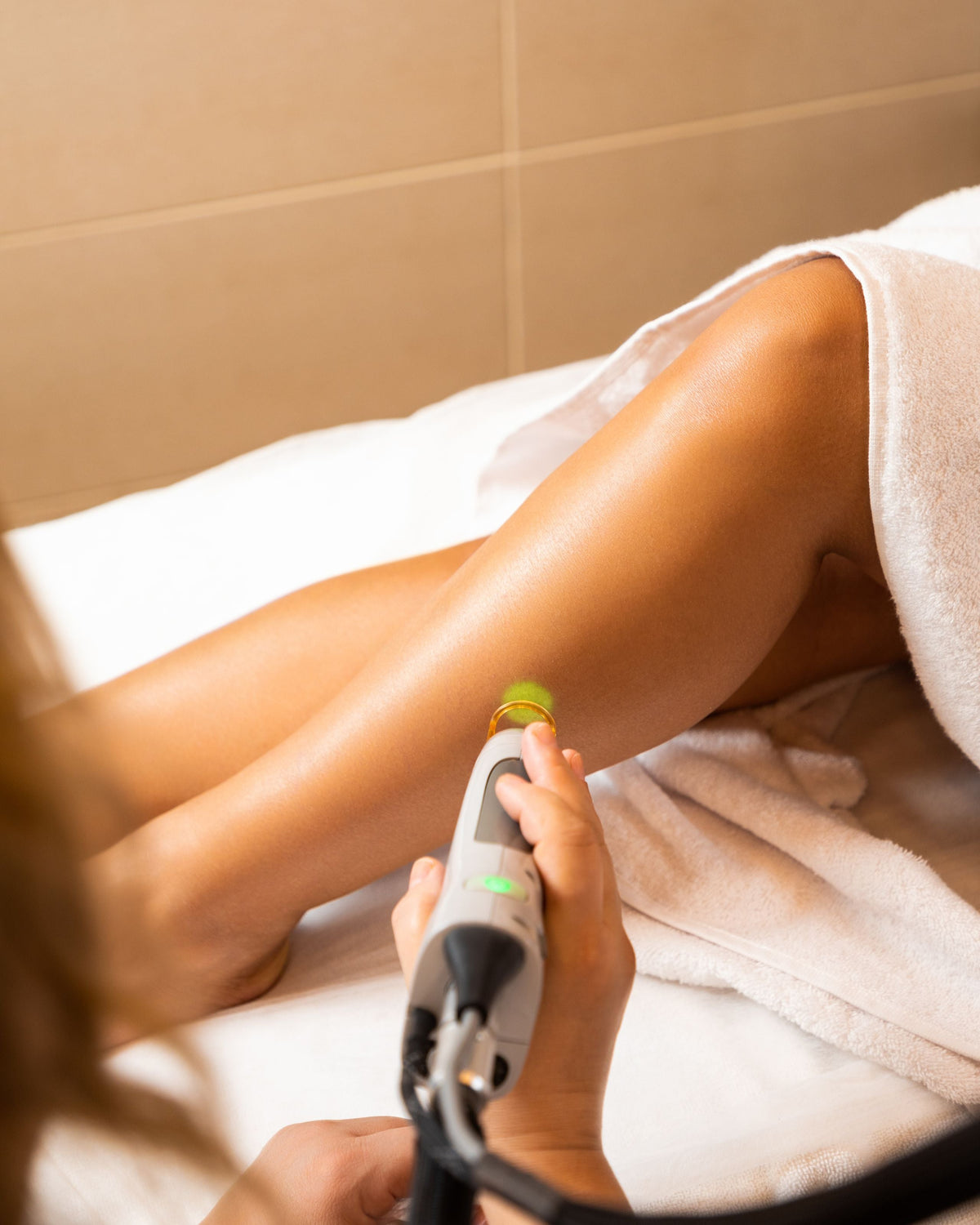
Infrasound therapy uses very low frequency sound waves, below what most people can hear, in hopes of supporting healing or calm. Many people search for infrasound therapy because they wonder if these deep vibrations can ease pain, help recovery, or calm the body.
Some research looks at tissue effects, while other work checks overall safety and human responses. A wearable vagus nerve stimulation device option focuses on specific frequencies that may support rest.
Interest in frequency-based wellness approaches also overlaps with non-invasive nerve stimulation, which uses electrical pulses rather than sound waves to interact with the nervous system. The range of vagus nerve stimulators includes devices designed for different wellness goals, offering a related perspective on how emerging technologies explore relaxation, nervous system regulation, and sleep support.
Check out more on vagus nerve focused approaches at Vagus Insider.
What Is Infrasound Therapy?

Infrasound refers to sound waves with frequencies below 20 Hz. Human ears usually pick up higher sounds, so these lower ones often go unnoticed as noise. They still carry energy and can travel through air, buildings, or body tissues. Research into how to stimulate vagus nerve shows other pathways that act more directly on the autonomic system.
Infrasound therapy applies controlled low frequency vibrations, often through devices that produce or deliver these waves. Practitioners and researchers test it for possible effects on cells, tissues, or the nervous system. Sources of natural infrasound include ocean waves, wind, and earthquakes. Human made sources include large machinery, traffic, and some industrial settings. People interested in related recovery tools often look at ways to stimulate the vagus nerve.
The idea is that gentle, directed exposure might influence body processes without drugs or surgery. This differs from loud environmental exposure, which some studies link to annoyance or stress in certain situations. Therapy versions aim for low intensity and short, purposeful sessions. Devices that target the vagus nerve stimulation techniques follow a more precise electrical route instead of broad vibration.
Devices vary. Some sit on the body and deliver vibration. Others generate airborne waves. Session length and exact frequency depend on the goal, such as local tissue support or broader relaxation. Many users prefer the focused approach found in vagus nerve stimulation devices for sleep.
How Infrasound Differs From Other Sound Approaches
Sound therapy covers a wide range. Music therapy uses songs or tones people hear and enjoy. Binaural beats play slightly different frequencies in each ear to create a perceived beat. Sound baths use bowls or chimes for a full body listening experience. These differ from methods covered in science-backed methods for nervous system regulation.
Infrasound sits at the lowest end. Vibroacoustic therapy, which some clinics offer, often uses chairs or mats that send low-frequency vibration through the body. These methods overlap with infrasound ideas because both rely on physical vibration reaching tissues. For everyday calm, many turn to simple practices outlined in how to calm nervous system.
Ultrasound therapy, used in physical therapy clinics, works at much higher frequencies that people cannot hear. It heats or stimulates tissue in a focused way. Infrasound uses the opposite end of the spectrum. Research on each type stays separate because the physics and body responses differ. Targeted electrical support through vagus nerve stimulation devices avoids the broad mechanical spread of pure sound waves.
People sometimes confuse these approaches. A clear difference helps when someone chooses a method. For nervous system balance, targeted electrical methods that stimulate the vagus nerve follow a different path from pure sound vibration.
Potential Areas Explored in Research
Researchers have tested infrasound mainly in lab and animal settings. One area involves bone and tissue repair. Studies show that certain low frequencies may encourage stem cells to grow into bone forming cells. This appears in controlled experiments on fracture models. Related recovery support appears in discussions of vagus nerve stimulation for athletes.
Another focus looks at cell movement. Low-frequency vibration can change how fibroblasts move, which matters for wound closure. Orientation of the waves, horizontal or vertical, can change the result. Some work also examines skin repair with higher but still low audible frequencies. Practical daily methods for balance appear in guides on how to stimulate vagus nerve.
On the nervous system side, results mix. Controlled human trials on airborne infrasound often find little change in mood, thinking, or basic health measures. A Scientific Reports study exposed people over time and saw mostly null findings on mental health and cognition, with small brain volume shifts in specific areas that lacked clear meaning. Other work notes possible rises in stress markers with certain exposures. Clearer autonomic support comes from methods detailed in the best ways to stimulate the vagus nerve.
Environmental infrasound from wind turbines receives attention. Reviews generally find no clear link to health problems at typical levels, though some people report annoyance. Expectation and context play a role in those reports.
The Scientific Evidence for Infrasound Therapy
Evidence stays early stage for most claims. Preclinical work on wound and bone healing looks promising. A systematic review in the International Wound Journal examined studies on infrasound and low frequency sound. It highlighted better bone mineral measures in animal models and improved cell migration in lab tests. The authors called for more work to set safe parameters and check real world use. Stronger human data exists for targeted approaches like those in vagus nerve stimulation techniques.
Human data remain limited. Small pilot studies and older reports exist, yet large controlled trials for specific conditions are scarce. Mechanisms proposed include mechanical effects on cells, changes in blood flow, or shifts in brain wave patterns. One older observation linked certain infrasound exposure to alpha rhythm coherence, which some associate with relaxed states. Many prefer the documented pathways covered in science-backed methods for nervous system regulation.
Safety appears acceptable at low intensities used in therapy research. High intensity or long uncontrolled exposure can cause discomfort, ear pressure, or fatigue in some people. The dual nature matters: the same physical energy that may support tissue repair under careful control can act as a stressor at higher levels. Simple daily habits for recovery appear in how to calm nervous system.
Sound therapy overall, including related low frequency methods, shows growing interest but still needs stronger proof for most everyday uses. UCLA Health notes that research continues on vibroacoustic and similar approaches, with early positive signals for relaxation yet calls for more data.
Limitations, Safety, and Practical Use
Not every claim holds up. Popular ideas about specific healing frequencies often lack rigorous testing. Controlled studies matter more than anecdotal reports. Intensity, duration, and exact frequency change outcomes. What works in a rat fracture model may not translate directly to human pain or sleep issues.
Safety tips from available research include starting with short sessions and low intensity. People with ear issues, pregnancy, or certain implants should check with a clinician first. Airborne high level exposure differs from gentle device use. Guidance on safe daily practices appears in how to stimulate vagus nerve.
Practical options range from specialized clinic tools to home devices. Results vary by person. Combining any vibration method with proven habits like steady sleep timing and light exercise often helps more than any single tool alone. Consistent support through vagus nerve stimulation devices for sleep fits many routines.
For people focused on calm, sleep, or recovery, methods that directly support the parasympathetic system show clearer pathways in current literature. The best vagus nerve stimulation devices use gentle electrical signals rather than sound waves.
Why Targeted Nervous System Support Offers a Stronger Path
Vagus Insider focuses on non invasive vagal nerve stimulators that target this pathway. Other options include wearable bands and pocket systems that deliver similar signals. These approaches build on established research into heart rate variability and autonomic balance. Many people use them alongside daily habits for ongoing support.
Pulsetto - Best Vagus Nerve Stimulation

Description
Tailored Comfort:
Equipped with two detachable magnetic paddings designed to adapt to different neck sizes, delivering a secure and comfortable fit.
Advanced Pulsation Mode:
Introduces a flowing, wave-like stimulation pattern that aligns with your breathing to promote deeper relaxation of the nervous system.
Extended Battery Performance:
Provides up to 20% more battery life, allowing approximately 1.2 weeks of daily use on a single charge.
Improved Durability:
Built with reinforced materials to withstand consistent, everyday use over time.
Seamless App Experience:
Access the same 5 guided programs and enjoy a 14-day Premium trial, along with the full sound library and optional add-ons available in the Lite version.
What’s Included:
Pulsetto device, two magnetic paddings, 60g gel tube, USB-C charging cable, and user manual.
Safety Assurance:
FCC-certified and powered by the same ULRE technology as the Lite model. Medical consultation is advised for users with implantable devices.
Pulsetto - Your Peace & Better Sleep Partner

Pulsetto is a wearable wellness device designed to support relaxation by using vagus nerve stimulation (VNS). Through gentle electrical impulses applied to the neck, it helps activate the body’s natural calming response. This process encourages a state of relaxation, making it easier to fall asleep, stay asleep, and manage everyday stress more effectively.
Advantages of Pulsetto:
Stress Relief:
Helps reduce daily stress by stimulating the vagus nerve and shifting the body into a natural “rest and recover” mode.
Better Sleep Quality:
Supports deeper, more restorative sleep by calming the nervous system and promoting relaxation before bedtime.
Sharper Focus:
Encourages mental clarity and reduces brain fog, helping improve concentration throughout the day.
Improved HRV (Heart Rate Variability):
Enhances HRV, a key indicator of cardiovascular health and the body’s ability to handle stress.
Digestive Support:
Stimulates the gut-brain connection, contributing to better digestion and reduced bloating.
Support for Chronic Conditions:
Provides additional support for individuals dealing with ongoing stress, anxiety, or fatigue, helping improve overall well-being.
What’s Included:
- Pulsetto Vagus Nerve Stimulation Device
- USB-C Charging Cable
- Electrode Gel (approximately one month supply)
- User Guide
- Free Premium App Trial (includes 11 guided meditations, 54 breathing exercises, and 1,200 positive affirmations)
How Pulsetto Works:
Getting started with Pulsetto is quick and simple, with effects often felt in just a few minutes:
1) Apply a sufficient amount of gel to your neck or directly onto the electrodes.
2) Position the device comfortably around your neck.
3) Connect it to the Pulsetto mobile app on your smartphone.
4) Select your preferred program and activate the device via the app.
Once activated, the device delivers a soft, tingling, or vibrating sensation around the neck area. This gentle stimulation triggers the parasympathetic nervous system, helping the body relax and reducing overall stress levels.
FAQ
What exactly counts as infrasound therapy?
Infrasound therapy applies sound waves below 20 Hz in controlled ways. Devices may deliver vibration through the skin or generate low frequency air waves. The goal is usually local tissue effects or general relaxation rather than loud audible noise. Many people compare it with more targeted options listed under ways to stimulate the vagus nerve.
Does science support infrasound for healing?
Some lab and animal studies show positive signals for bone repair and cell movement. Human trials remain fewer and mixed. One longitudinal pilot found little change in mood or thinking from moderate airborne exposure. More rigorous work is still needed before broad claims hold. Clearer human data exists for methods detailed in vagus nerve stimulation techniques.
Is infrasound therapy safe for home use?
Low intensity sessions appear well tolerated in research settings. High intensity or long exposure can cause discomfort. People should follow device guidelines and consult a clinician if they have health conditions. Targeted electrical methods for the vagus nerve follow different safety profiles that many users find straightforward. Home options are discussed in reviews of vagus nerve stimulation devices for sleep.
How does it compare with vagus nerve stimulation?
Infrasound relies on mechanical vibration. Vagus nerve stimulation uses gentle electrical pulses on specific nerve pathways that regulate the autonomic system. The latter has clearer links to stress recovery, sleep, and heart rate variability in available studies. Devices designed for this purpose offer focused, repeatable sessions.
Can low frequency methods help with sleep or stress?
Related approaches such as vibroacoustic therapy and certain frequency wearables show early interest for relaxation. Results differ by person. Consistent use of a well designed vagus nerve stimulation device often gives more predictable shifts toward calm for many users.
Read Also:
- How to Stimulate the Vagus Nerve
- Best Ways to Stimulate the Vagus Nerve in 2026
- Best Vagus Nerve Stimulation Devices for Sleep
- Best Vagus Nerve Stimulation Techniques in 2026
- Science-Backed Methods for Nervous System Regulation
Check out more on vagus nerve focused approaches at Vagus Insider.
Top VNS devices
Explore vagus nerve tools and find the approach that fits your routine.
Learn more You'll be taken to an external site.- Choosing a selection results in a full page refresh.
- Opens in a new window.