
HRV Breathing Exercises That Stimulate the Vagus Nerve
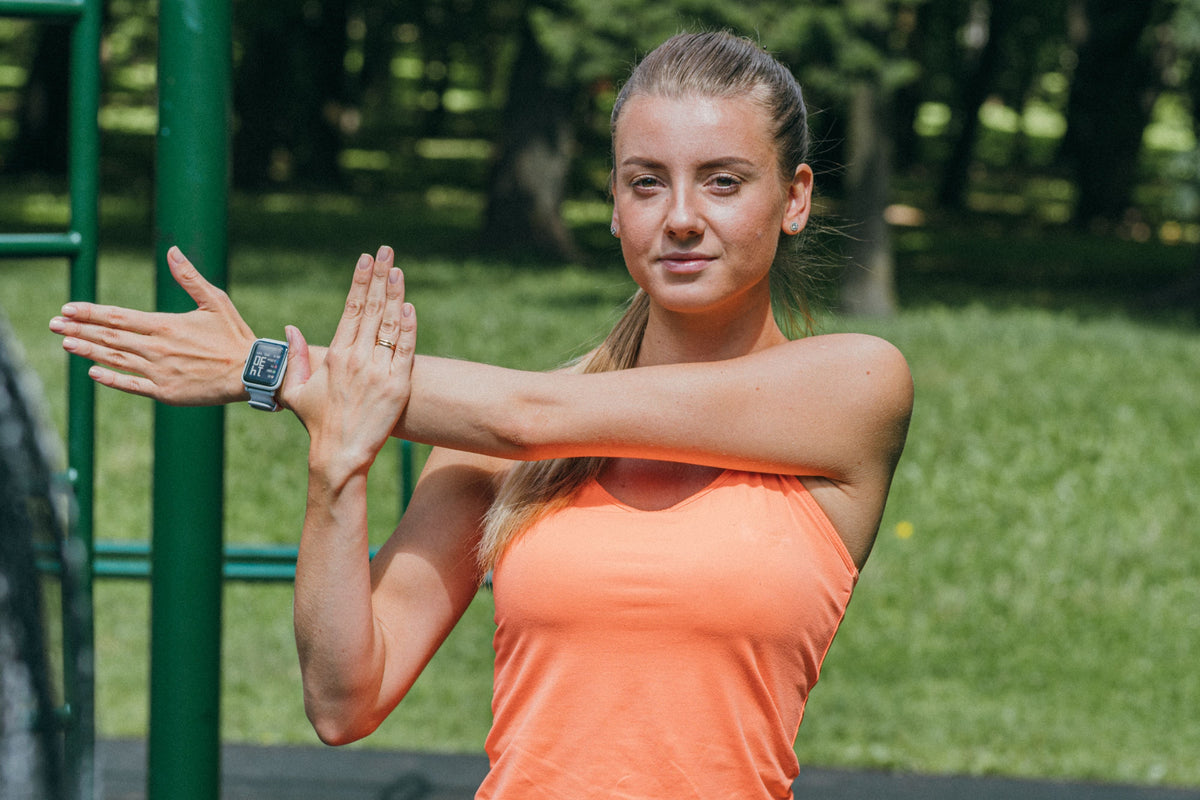
HRV breathing exercises that stimulate vagus nerve help many people raise heart rate variability and move into a calmer state. These slow patterns, often with longer exhales, give the vagus nerve more time to influence the heart and support recovery. Resonance breathing and extended exhale methods stand out as practical options that fit into short sessions.
Beyond controlled breathing, HRV regulation is also associated with other approaches to vagal stimulation. HRV stimulators represent a technology-assisted option for supporting heart rate variability, while vagus nerve stimulation exercises cover additional techniques associated with relaxation, autonomic balance, and the body’s natural stress-recovery response.
How HRV Breathing Exercises Stimulate the Vagus Nerve

Heart rate variability measures the small changes in time between heartbeats. Higher levels often point to better flexibility in the autonomic nervous system. The vagus nerve carries signals that slow the heart during rest. When you breathe slowly, especially with a longer out-breath, those signals gain strength.
During each inhale, the heart tends to speed up a little. On the exhale, it slows. This natural rhythm is called respiratory sinus arrhythmia. Slowing the breath makes the swings larger and smoother. Research reviews of voluntary slow breathing show increases in vagally mediated HRV during the session, right after, and after weeks of practice. The baroreflex, which helps control blood pressure, also lines up better with this pace.
Nasal breathing keeps the process gentle. Mouth breathing can disrupt the pattern. A soft belly expansion supports the diaphragm and avoids chest-only breaths that stay shallow. Many people notice the shift within a few minutes of practice. Related guidance on shifting out of heightened states appears in coverage of how to calm your nervous system.
Top HRV Breathing Exercises for Vagus Nerve Activation
Resonance Breathing
Resonance breathing, sometimes called coherent breathing, aims for about six breaths a minute. Sit upright or lie down. Breathe in through the nose for five seconds. Breathe out through the nose for five seconds. Keep the breath light and smooth. Continue for five to ten minutes.
This rate often matches the natural rhythm of the cardiovascular system for many adults. The heart rate and blood pressure waves sync more closely. The result is a larger HRV response during the practice. Start with shorter sessions if the pace feels new.
Extended Exhale Breathing
Extended exhale patterns favor the out-breath. Inhale gently through the nose for four seconds. Exhale slowly for six or seven seconds. No long holds are required. The longer out-breath gives the vagus nerve more time to act on the heart.
This method works well for evening wind-down or moments of tension. Keep the volume of air moderate so the breath stays comfortable. Many people find the pattern easier than equal-ratio methods at first.
Physiological Sigh
The physiological sigh uses two inhales and one long exhale. Take a full inhale through the nose. Add a second shorter inhale right at the top. Then release a long, slow exhale through the mouth. Repeat three to five times for a quick reset, or continue for a few minutes.
This pattern often releases tension quickly. It appears in daily routines for people who want a short option before meetings or after stress. The double inhale helps fill the lungs, and the extended out-breath supports the calming shift.
Box Breathing
Box breathing uses equal counts. Inhale for four seconds, hold for four, exhale for four, hold for four. Repeat for two to five minutes. The holds add a brief pause that some people find steadying.
This pattern sits slightly slower than six breaths a minute. It supports focus for many users during work or before tasks that need attention. Adjust the counts down if any part feels strained.
Diaphragmatic Breathing
Diaphragmatic breathing emphasizes belly movement. Place one hand on the upper abdomen. Breathe in so the hand rises. Breathe out so it falls. Keep the chest relatively quiet. Combine this with any of the slower paces above.
The diaphragm movement gently influences the vagus nerve through mechanical pressure. Practice for five minutes once or twice a day. Over time the pattern becomes more automatic. Broader context on heart rate patterns sits in the article on vagus nerve stimulation for heart rate regulation.
Why Slow Breathing Raises Heart Rate Variability
Slow breathing increases the time the heart spends under vagal influence. Reviews of many studies link voluntary slow breathing to higher RMSSD and other markers of parasympathetic activity. The effect shows during the session and can linger after regular practice.
The exact best rate varies. Most research points to the range of roughly five to seven breaths a minute. Longer exhales often produce a stronger immediate shift than equal ratios. Nasal breathing and a relaxed posture support the response. People who track HRV on wearable vagus nerve stimulators sometimes see clearer waves during these sessions.
Regular practice also supports baroreflex sensitivity. The body becomes better at adjusting blood pressure smoothly. This does not replace medical care for heart conditions, but it offers a low-cost tool many use alongside other healthy habits.
Daily Practice Tips for Best Results
Short sessions work better than rare long ones. Five to ten minutes once or twice a day fits most schedules. Morning or evening slots help form the habit. Sit or lie in a quiet spot with shoulders relaxed and jaw unclenched.
Use a simple timer or count in your head. Apps that pace the breath can help at the start. Stop if you feel dizzy or strained. The goal is comfort, not force. Track how you feel after sessions rather than chasing a single number.
Pair the practice with consistent sleep and light movement. Many people notice steadier energy when they keep the sessions regular. Guidance on related calm practices appears in the article on how to calm nervous system.
How Vagus Insider Supports HRV Breathing and Vagus Nerve Health
Vagus Insider covers practical ways to support the vagus nerve through breathing, gentle methods, and devices. The site highlights slow nasal patterns as an accessible starting point for raising heart rate variability. Articles walk through resonance-style breathing and extended exhales that align with the research on vagal tone.
Pulsetto - Best Vagus Nerve Stimulation

Description
Tailored Comfort:
Equipped with two detachable magnetic paddings designed to adapt to different neck sizes, delivering a secure and comfortable fit.
Advanced Pulsation Mode:
Introduces a flowing, wave-like stimulation pattern that aligns with your breathing to promote deeper relaxation of the nervous system.
Extended Battery Performance:
Provides up to 20% more battery life, allowing approximately 1.2 weeks of daily use on a single charge.
Improved Durability:
Built with reinforced materials to withstand consistent, everyday use over time.
Seamless App Experience:
Access the same 5 guided programs and enjoy a 14-day Premium trial, along with the full sound library and optional add-ons available in the Lite version.
What’s Included:
Pulsetto device, two magnetic paddings, 60g gel tube, USB-C charging cable, and user manual.
Safety Assurance:
FCC-certified and powered by the same ULRE technology as the Lite model. Medical consultation is advised for users with implantable devices.
Pulsetto - Your Peace & Better Sleep Partner

Pulsetto is a wearable wellness device designed to support relaxation by using vagus nerve stimulation (VNS). Through gentle electrical impulses applied to the neck, it helps activate the body’s natural calming response. This process encourages a state of relaxation, making it easier to fall asleep, stay asleep, and manage everyday stress more effectively.
Advantages of Pulsetto:
Stress Relief:
Helps reduce daily stress by stimulating the vagus nerve and shifting the body into a natural “rest and recover” mode.
Better Sleep Quality:
Supports deeper, more restorative sleep by calming the nervous system and promoting relaxation before bedtime.
Sharper Focus:
Encourages mental clarity and reduces brain fog, helping improve concentration throughout the day.
Improved HRV (Heart Rate Variability):
Enhances HRV, a key indicator of cardiovascular health and the body’s ability to handle stress.
Digestive Support:
Stimulates the gut-brain connection, contributing to better digestion and reduced bloating.
Support for Chronic Conditions:
Provides additional support for individuals dealing with ongoing stress, anxiety, or fatigue, helping improve overall well-being.
What’s Included:
- Pulsetto Vagus Nerve Stimulation Device
- USB-C Charging Cable
- Electrode Gel (approximately one month supply)
- User Guide
- Free Premium App Trial (includes 11 guided meditations, 54 breathing exercises, and 1,200 positive affirmations)
How Pulsetto Works:
Getting started with Pulsetto is quick and simple, with effects often felt in just a few minutes:
1) Apply a sufficient amount of gel to your neck or directly onto the electrodes.
2) Position the device comfortably around your neck.
3) Connect it to the Pulsetto mobile app on your smartphone.
4) Select your preferred program and activate the device via the app.
Once activated, the device delivers a soft, tingling, or vibrating sensation around the neck area. This gentle stimulation triggers the parasympathetic nervous system, helping the body relax and reducing overall stress levels.
Combining Breathing with Other Simple Methods
Breathing forms the core, yet other practices can support the same pathway. Gentle humming or singing creates vibration near the vocal cords that connect to the vagus nerve. A short cool splash on the face triggers a diving response that slows the heart for some people.
Light neck or ear massage offers another option. Place soft pressure along accessible areas while keeping the breath slow. Details on touch methods appear in the piece on how to massage vagus nerve. Devices that deliver mild signals to the neck or ear appear in collections of the best vagus nerve stimulators for those who want consistent support alongside breathing.
Cold exposure stays brief and controlled. Start with face or neck contact rather than full-body immersion if you are new to it. Always check with a clinician if you have heart or blood pressure concerns.
Safety Considerations for HRV Breathing
Most healthy adults can practice slow nasal breathing without issue. Stop if you feel lightheaded, short of breath, or anxious. People with certain heart, lung, or anxiety conditions should talk with a doctor before starting regular sessions.
Avoid forcing the breath or holding it longer than feels comfortable. Pregnant people or those with recent surgery may need adjusted patterns. The exercises support general wellness but do not treat medical conditions on their own. Guidance on how to calm nervous system covers practical breathing approaches that many people use safely alongside daily routines.
Comparison of Common HRV Breathing Patterns
|
Pattern |
Typical Pace |
Main Feature |
Best Fit |
|
Resonance |
Equal in and out |
Syncs heart and blood pressure waves |
Daily HRV practice |
|
Extended exhale |
Longer out-breath |
Stronger immediate vagal influence |
Stress or evening |
|
Physiological sigh |
Double inhale, long exhale |
Quick tension release |
Acute moments |
|
Box |
Equal counts with holds |
Structured focus |
Attention tasks |
|
Diaphragmatic |
Belly-focused |
Supports diaphragm movement |
Foundation skill |
These patterns appear frequently in resources on ways to stimulate vagus nerve and pair well with tracking methods discussed in guides on how to increase Fitbit HRV scores.
Frequently Asked Questions
How do HRV breathing exercises that stimulate the vagus nerve raise heart rate variability?
HRV breathing exercises that stimulate the vagus nerve work by lengthening the time the heart spends under parasympathetic influence during each exhale. When breathing slows to roughly five to seven breaths a minute, the natural rise and fall of heart rate becomes larger and more rhythmic. This pattern strengthens vagal signals and lines up with the baroreflex that helps manage blood pressure. Many people notice the effect during a single session of resonance breathing or extended exhale practice. Regular use supports smoother recovery patterns over time, as covered in discussions of vagus nerve stimulation for heart rate regulation.
What makes resonance breathing effective for stimulating the vagus nerve?
Resonance breathing matches a pace near six breaths a minute so the cardiovascular system can sync more closely with the breath. Equal inhale and exhale counts of about five seconds each create steady waves in heart rate and blood pressure. The vagus nerve gains more influence during the out-breath phase of each cycle. This method often produces clear shifts in heart rate variability markers while the person is practicing. It pairs well with nasal breathing and a relaxed posture for consistent daily use, similar to patterns noted in ways to stimulate the vagus nerve.
Can extended exhale patterns support both stress relief and better sleep?
Extended exhale patterns favor a longer out-breath, which gives the vagus nerve extra time to slow the heart and promote a rest-and-digest state. Inhaling for four seconds and exhaling for six or seven seconds keeps the breath gentle and sustainable. Many people use this approach in the evening to ease tension before bed or during daytime stress. The longer out-breath often creates a quicker sense of calm than equal-ratio methods. Combining it with quiet surroundings and nasal breathing supports the shift.
How does diaphragmatic breathing fit into HRV breathing exercises that stimulate the vagus nerve?
Diaphragmatic breathing focuses on gentle belly expansion so the diaphragm moves fully with each breath. This mechanical action supports vagus nerve pathways that influence the heart and lungs. Pairing belly breathing with slower paces such as resonance or extended exhale keeps the practice effective and comfortable. Many people place one hand on the abdomen to feel the rise and fall and avoid shallow chest breathing. Over repeated sessions, the pattern becomes more natural and reinforces the calming effect of the overall HRV breathing routine.
Are there simple ways to combine HRV breathing with other vagus nerve practices?
HRV breathing forms a strong base, and short additions like humming or brief cool contact on the face can support the same pathway. Humming creates mild vibration near the vocal cords that connect to the vagus nerve. Light touch along the neck or ear while maintaining slow nasal breaths offers another gentle option. These combinations stay brief and comfortable for most people. Broader technique options appear in the overview of vagus nerve stimulation techniques and details on how to massage vagus nerve.
Read Also:
- Best Ways to Stimulate the Vagus Nerve in 2026
- How to Calm Your Nervous System
- How to Massage the Vagus Nerve
- Vagus Nerve Stimulation for Heart Rate Regulation
- Best Vagus Nerve Stimulation Techniques in 2026
Top VNS devices
Explore vagus nerve tools and find the approach that fits your routine.
Learn more You'll be taken to an external site.- Choosing a selection results in a full page refresh.
- Opens in a new window.