
How to Measure HRV at Home: Devices, Apps and Methods Compared
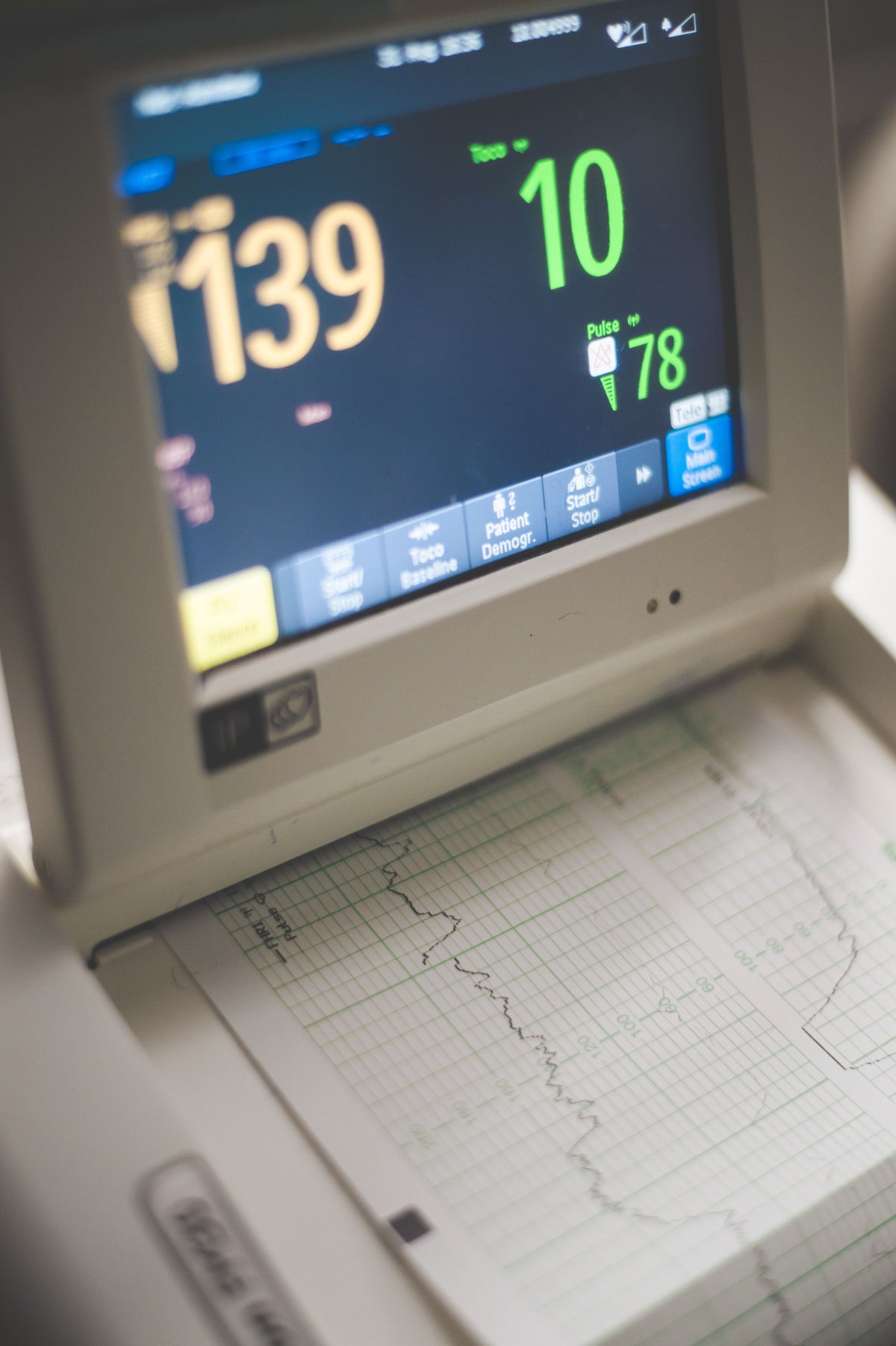
Heart rate variability (HRV) shows how well your body handles stress and recovers. Measuring HRV at home with the right HRV stimulator devices, apps, and methods gives clear data on your autonomic nervous system without a clinic visit. Many people start with a phone or wearable and later add tools that support better readings.
Vagus nerve stimulation can help raise your baseline over time. HRV readings can vary based on age, sleep quality, stress levels, and individual health factors, making it important to understand the context behind the numbers. An HRV chart by age and gender provides insight into typical heart rate variability ranges, while HRV stimulators represent a related area of interest in autonomic nervous system regulation and heart rate variability research.
Find clear ways to track and improve your HRV at home.
What Is HRV and Why Measure It at Home?

HRV is the small change in time between each heartbeat. A higher number often means better recovery and stress resilience. Lower numbers can show fatigue, poor sleep, or high stress. Home measurement lets you track trends day to day instead of waiting for a doctor visit. Guides on how to increase Fitbit HRV scores show how lifestyle habits connect to the numbers you see.
Most people measure in the morning before getting up. This keeps the data clean because food, caffeine, and movement have not yet affected the result. Consistent timing matters more than the exact vagus nerve stimulation device you choose.
The Three Main Ways to Measure HRV at Home
Three practical methods work for most people at home:
- Chest straps use electrical sensors for the highest accuracy.
- Wrist wearables and rings use light sensors for continuous data while you rest or sleep.
- Phone camera apps use your fingertip for quick spot checks with no extra hardware.
Each method fits different needs. Chest straps excel for precise one-time readings. Wearables build long-term trends. Phone apps let you start immediately. Pairing any of these with vagus nerve techniques can support the recovery side of the data.
Chest Strap HRV Measurement
A chest strap places electrodes against your skin and reads the heart’s electrical signal, the same basic principle as a medical ECG. This method catches each beat with high precision, which makes it the strongest option for a single accurate reading.
Researchers often use chest straps as the reference when testing other devices. You put the strap on for a dedicated session, usually while sitting or lying still. It does not track all day or overnight because most people remove it after the measurement.
For athletes or anyone who wants the cleanest number at a set time, a chest strap remains the top choice. Pair it with a free analysis app for full metrics such as RMSSD and SDNN. Many users also track related scores on devices covered in how to increase Garmin HRV score guides.
Wrist Wearables and Smart Rings
Wrist bands and finger rings use photoplethysmography (PPG). A light shines into the skin and detects blood volume changes with each beat. The vagus nerve stimulation device then calculates the intervals between those pulses.
PPG works best when you stay still. That is why most wearables take HRV during sleep or quiet rest periods. During exercise the signal becomes noisy and the number loses meaning. Many rings and watches collect data all night and show a daily average or range. Details on how to increase Oura Ring HRV score explain how overnight readings fit into daily routines.
This passive approach builds a useful trend without extra effort. You see how alcohol, late meals, or hard training show up the next morning. Continuous overnight data often gives more context than one isolated reading.
Smartphone Camera HRV Apps
Several apps turn your phone’s rear camera into an HRV sensor. Place your fingertip over the lens and flash, stay still for about one minute, and the app detects color changes caused by blood flow. It then produces time-domain metrics such as RMSSD.
This method needs no extra hardware, so many people try it first. Accuracy depends on steady pressure, good light, and complete stillness. Short recordings work well for basic time-domain numbers. Longer sessions of several minutes can add frequency-domain data if the app supports it.
The main limit is that you must remember to measure at the same time each day. Without that habit, the numbers stay isolated and hard to compare. Consistent tracking pairs well with habits described in how to increase Polar Watch Nightly Recharge HRV score.
Smartphone Accelerometer Method
A newer option places the phone flat on your chest while you lie still. The phone’s accelerometer detects tiny mechanical vibrations from each heartbeat, a technique related to seismocardiography. No camera or external sensor is required.
This approach works for resting measurements only. Movement or thick clothing reduces signal quality. Apps that use this method typically ask for a short relaxation period before recording. Results can match other resting methods when you stay completely still and follow the same position each time. It offers another hardware-free path for people who prefer not to cover the camera lens with a finger, complementing simple ways to support vagus nerve stimulation devices for HRV improvement through consistent rest and recovery habits.
How Accurate Are Home HRV Measurements?
Chest straps generally provide the closest match to clinical ECG. Wrist and ring devices perform well during sleep when motion is low. Phone camera and accelerometer methods can produce usable numbers under controlled conditions, though they show more variation if technique slips.
Validation studies on athletes have found strong agreement between phone camera apps and ECG for short resting recordings. Accuracy drops when people move, talk, or breathe in a forced pattern. Signal quality also varies with skin tone, cold hands, or poor contact.
No consumer method replaces a medical ECG. For daily wellness tracking, consistent technique matters more than chasing the absolute highest accuracy. The best vagal stimulation devices often appear in discussions of long-term HRV support alongside these measurement tools.
When to Measure HRV for the Most Reliable Data
Morning measurements before rising give the cleanest baseline. Your body has not yet faced food, caffeine, or activity. Sit or lie still for at least two minutes before starting. Avoid alcohol the night before, because it can lower HRV for many hours afterward. Skip caffeine before a manual reading. Measure at the same clock time and in the same posture each day so trends remain comparable. For wearable vagus nerve stimulators that record overnight, the device handles timing for you. Still, the same lifestyle factors appear in the morning data.
What Actually Moves Your HRV
Several everyday factors change HRV within hours or days:
- Sleep length and quality strongly influence the next morning’s number.
- Alcohol often suppresses HRV into the following day.
- Hard training lowers HRV temporarily as the body adapts.
- Illness can drop HRV before other symptoms appear.
- Posture matters: lying and sitting produce different values even minutes apart.
- Caffeine, large meals, and dehydration shift readings for several hours.
Breathing slowly on purpose raises HRV right away, so avoid deliberate breathing during a measurement you want to compare with other days. Track these factors alongside your numbers so patterns become clear. Articles on how to increase WHOOP Strap HRV score cover many of the same influences.
How to Take a Reading You Can Trust
Follow the same steps every time:
- Use the same body position.
- Wait until your heart rate has settled after any activity.
- Stay completely still and quiet.
- Breathe naturally without controlling the pace.
- For phone methods, cover the sensor fully and keep pressure light and steady.
- Check the app’s quality indicator and repeat if the signal looks poor.
Warm your hands if they feel cold. Measure for a week or two at the same time each morning so the app can learn your personal baseline. One low day after poor sleep usually explains itself. Several low days in a row deserve attention. Consistent morning checks pair well with habits that support higher heart rate variability.
Heart rate variability tracking is also closely connected to research on autonomic nervous system regulation and vagal activity. Vagus nerve stimulation devices for heart rate variability represent an emerging area of interest in understanding the relationship between vagus nerve activity, stress responses, and HRV patterns, although results can vary depending on the stimulation method and individual factors.
Continuous Tracking vs On-Demand Spot Checks
Overnight wearable data shows how your nervous system recovered across the whole night. Spot checks answer a different question: how you feel right now before a meeting, workout, or difficult conversation.
Many people use both. A wearable supplies the baseline trend. A phone or chest strap supplies an on-demand reading when you need it. The combination gives more useful context than either method alone. Overnight trends from rings or watches often reflect the same recovery signals discussed in guides on improving Garmin HRV scores.
Best HRV Apps and Software for Analysis
Several free or low-cost apps accept data from chest straps, wearables, or phone sensors. They calculate RMSSD, SDNN, and other metrics, then compare results against your own history. Some add stress or energy scores based on the same data.
Look for apps that show signal quality, let you export raw intervals, and support more than one device type. This flexibility lets you start with a phone and later add a wearable nerve stimulation device without switching platforms.
How to Choose the Right Method for Your Goal
Choose based on how you will actually use the data:
- Precise morning baseline: Chest strap.
- Passive overnight trends: Ring or wrist wearable.
- Quick checks with no hardware: Phone camera or accelerometer app.
- Athletes managing training load: Chest strap plus an analysis app that tracks recovery trends.
- Stress and recovery focus: Any consistent method plus lifestyle habits that support the vagus nerve.
Consistency beats the most advanced device. A simple method used every day outperforms a premium wearable left in a drawer. Everyday habits that influence these readings appear in practical ways to stimulate the vagus nerve.
How Vagus Insider Support Better HRV
Measuring HRV shows where you stand. Supporting the vagus nerve can help the numbers improve over time. Vagus Insider offers non-invasive vagal stimulation devices designed for daily use that many people combine with their existing trackers.
Pulsetto - Best Vagus Nerve Stimulation

Description
Tailored Comfort:
Equipped with two detachable magnetic paddings designed to adapt to different neck sizes, delivering a secure and comfortable fit.
Advanced Pulsation Mode:
Introduces a flowing, wave-like stimulation pattern that aligns with your breathing to promote deeper relaxation of the nervous system.
Extended Battery Performance:
Provides up to 20% more battery life, allowing approximately 1.2 weeks of daily use on a single charge.
Improved Durability:
Built with reinforced materials to withstand consistent, everyday use over time.
Seamless App Experience:
Access the same 5 guided programs and enjoy a 14-day Premium trial, along with the full sound library and optional add-ons available in the Lite version.
What’s Included:
Pulsetto device, two magnetic paddings, 60g gel tube, USB-C charging cable, and user manual.
Safety Assurance:
FCC-certified and powered by the same ULRE technology as the Lite model. Medical consultation is advised for users with implantable devices.
Pulsetto - Your Peace & Better Sleep Partner

Pulsetto is a wearable wellness device designed to support relaxation by using vagus nerve stimulation (VNS). Through gentle electrical impulses applied to the neck, it helps activate the body’s natural calming response. This process encourages a state of relaxation, making it easier to fall asleep, stay asleep, and manage everyday stress more effectively.
Advantages of Pulsetto:
Stress Relief:
Helps reduce daily stress by stimulating the vagus nerve and shifting the body into a natural “rest and recover” mode.
Better Sleep Quality:
Supports deeper, more restorative sleep by calming the nervous system and promoting relaxation before bedtime.
Sharper Focus:
Encourages mental clarity and reduces brain fog, helping improve concentration throughout the day.
Improved HRV (Heart Rate Variability):
Enhances HRV, a key indicator of cardiovascular health and the body’s ability to handle stress.
Digestive Support:
Stimulates the gut-brain connection, contributing to better digestion and reduced bloating.
Support for Chronic Conditions:
Provides additional support for individuals dealing with ongoing stress, anxiety, or fatigue, helping improve overall well-being.
What’s Included:
- Pulsetto Vagus Nerve Stimulation Device
- USB-C Charging Cable
- Electrode Gel (approximately one month supply)
- User Guide
- Free Premium App Trial (includes 11 guided meditations, 54 breathing exercises, and 1,200 positive affirmations)
How Pulsetto Works:
Getting started with Pulsetto is quick and simple, with effects often felt in just a few minutes:
1) Apply a sufficient amount of gel to your neck or directly onto the electrodes.
2) Position the device comfortably around your neck.
3) Connect it to the Pulsetto mobile app on your smartphone.
4) Select your preferred program and activate the device via the app.
Once activated, the device delivers a soft, tingling, or vibrating sensation around the neck area. This gentle stimulation triggers the parasympathetic nervous system, helping the body relax and reducing overall stress levels.
FAQ
Can you measure HRV accurately with just a phone?
Yes, under the right conditions. Phone camera and accelerometer methods can produce usable resting readings when you stay still, follow the same position, and check signal quality. They work best for spot checks rather than continuous tracking. Pairing phone readings with habits from how to increase HRV scores helps build a clearer personal baseline over time. Many users find that consistent morning sessions reveal useful patterns even without extra hardware.
How long should an HRV measurement last?
One to two minutes is enough for basic time-domain metrics such as RMSSD. Some apps offer a longer mode of several minutes when you want additional frequency analysis. Overnight wearable data covers the full sleep window automatically. Guides on how to increase Ring HRV score note that sleep-based averages often need several nights before a stable trend appears. Shorter daytime checks still give immediate feedback when technique stays consistent.
Do I need a wearable to track HRV over time?
No. A phone app used at the same time each morning can build a personal baseline if you stay consistent. A wearable vagus nerve massage adds overnight data with less daily effort. Many people start with a phone and add a wearable later. Articles covering how to increase Garmin HRV score show how overnight numbers fit into larger recovery pictures. The choice depends on how often you want data without manual steps.
What is the best time of day to measure HRV?
The best time is in the morning before getting up, while you are still lying down. This timing avoids the effects of food, caffeine, and movement. Wearable vagus nerve stimulators that measure during sleep handle the timing for you. Daytime spot checks can still work if you wait until heart rate settles after activity.
Can home HRV methods detect medical problems?
No. These methods track wellness trends only. They do not diagnose conditions or replace a medical ECG. Seek professional care for symptoms such as chest pain, fainting, or sudden lasting changes in heart rate. Resources on the vagal stimulation devices discuss how non-invasive tools support general recovery alongside regular tracking. Home readings remain useful for spotting personal patterns when used as wellness feedback.
Read Also:
- How to Increase Fitbit HRV Scores
- How to Increase Oura Ring HRV Score
- How to Increase Garmin HRV Score
- How to Increase Polar Watch Nightly Recharge HRV Score
- How to Increase WHOOP Strap HRV Score
Find clear ways to track and improve your HRV at home.
Top VNS devices
Explore vagus nerve tools and find the approach that fits your routine.
Learn more You'll be taken to an external site.- Choosing a selection results in a full page refresh.
- Opens in a new window.