
How to Increase HRV Naturally Without a Device
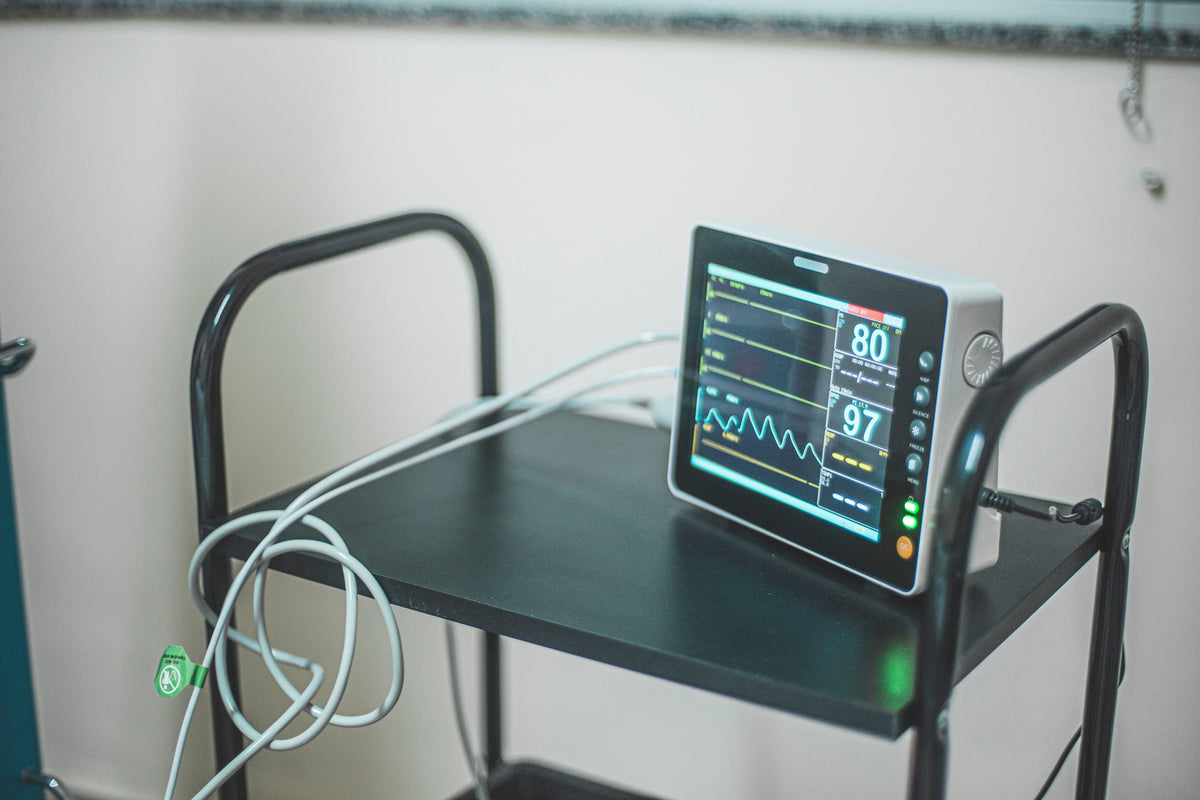
Heart rate variability, or HRV, shows how well your body switches between stress and recovery. Many people want to raise it without gadgets. You can improve HRV naturally with consistent breathing, better sleep, smart movement, and simple lifestyle shifts.
These methods support vagal tone and help your nervous system stay flexible. The best ways to stimulate the vagus nerve often start with the same basics covered here. For those exploring technology-assisted options, HRV stimulators represent a category of devices designed to support heart rate variability and autonomic nervous system balance, complementing the role of natural factors such as sleep, breathing, and stress recovery.
Start improving your HRV naturally with guidance from Vagus Insider.
What Is HRV and Why Improving It Naturally Matters

HRV measures the small time gaps between your heartbeats. A higher number usually means your autonomic nervous system can shift smoothly from alert mode to rest mode. The vagus nerve drives much of the rest side, so practices that support it tend to lift HRV. How to stimulate the vagus nerve focuses on simple signals that favor this shift.
Low HRV often appears when sleep is short, stress stays high, or recovery falls behind. People notice it as poorer mood, slower bounce-back after workouts, or feeling wired at night. Raising it naturally helps many feel steadier day to day. Your personal baseline matters more than any chart. Age, fitness level, and recent habits all shape the number. Focus on trends over weeks rather than one reading.
How Long Does It Take to Improve HRV Naturally
Some people notice shifts within days when they add slow breathing. Others see clearer changes after a few weeks of better sleep and regular movement. Lasting gains often build over a couple of months of steady practice.
Breathing sessions can change the number during the session itself. Sleep and exercise habits shape the overnight baseline more slowly. Combining two or three methods usually speeds progress without extra gear. Expect daily ups and downs. A single low day does not cancel earlier work. Track weekly patterns instead. Practical steps for raising readings through consistent habits appear in guides on how to increase Fitbit HRV scores and how to increase Garmin HRV score.
Master Coherent Breathing for Immediate HRV Gains
Slow breathing ranks among the fastest natural tools. Aim for about five to six breaths per minute. A simple pattern is four seconds in and six seconds out. This pace lines up with natural body rhythms and supports the vagus nerve. Sit or lie down. Breathe through your nose if you can. Keep the air smooth rather than forced. Many feel calmer within a few minutes. Do ten to fifteen minutes most days for longer effects.
Other useful patterns include box breathing, where you inhale, hold, exhale, and hold for equal counts, or a longer exhale. Pair it with how to calm your nervous system routines for extra support. Practice at the same time each day. Morning or evening both work. Consistency trains the system more than one long session.
Optimize Sleep for Higher Overnight HRV
Sleep is one of the strongest drivers of HRV. During deep stages the body favors recovery. Short or broken sleep often lowers the next morning reading. Keep bedtime and wake time steady, even on weekends. A cool, dark room helps many people stay asleep longer. Cut bright screens an hour before bed. A short breathing practice or quiet wind-down signals safety to the nervous system.
Avoid heavy meals late and limit alcohol, which can disrupt overnight recovery. Magnesium-rich foods in the evening support relaxation for some. Morning light helps set the clock so nighttime recovery improves. Approaches that pair sleep timing with nervous system support are covered in the role of sleep optimization in biohacking.
Use Moderate Exercise and Zone 2 Training Without Overtraining
Regular movement raises HRV over time, yet hard sessions can suppress it the next day. Moderate aerobic work, such as brisk walking, easy cycling, or swimming where you can still talk, supports the system without overload.
Aim for most days of the week at a comfortable pace. Strength work two or three times also helps. Stop or lighten the load when you feel unusually tired or your recovery feels off. Morning sessions often leave overnight HRV higher than late hard efforts. Gentle yoga or mobility work adds a recovery layer. These pair well with vagus nerve reset methods.
Eat to Support Vagal Tone: Nutrition Strategies That Raise HRV
Food quality affects inflammation and blood sugar, both of which influence HRV. A pattern rich in vegetables, berries, fatty fish, nuts, and olive oil shows up often in people with steadier readings.
Omega-3 fats from fish or algae support cell membranes and may aid recovery. Fermented foods improve gut health that travels partly through the vagus nerve. Steady meals with protein and fiber keep energy even.
Large late meals or heavy sugar loads can blunt overnight recovery for many. A simple twelve-hour overnight break between dinner and breakfast works for some. Hydration matters too, covered next.
Practice Cold Exposure and Other Natural Hormetic Stressors
Brief cold contact triggers a quick shift toward rest mode. Splash cool water on your face for thirty seconds, or end a warm shower with thirty to sixty seconds of cooler water on the neck and chest. The dive reflex slows the heart and engages the vagus nerve.
Start short so it feels invigorating rather than shocking. Many notice a calmer feeling within minutes. Do it a few times a week. Combine it with slow breathing for a stronger effect. Other mild stressors, such as a short walk outdoors or light stretching, also train flexibility. How to stimulate vagus nerve lists several of these options.
Build Stress Resilience with Meditation and Relaxation Techniques
Chronic stress keeps the system on high alert and lowers HRV. Short daily practices help reverse that. Mindfulness, body scans, or progressive muscle relaxation all activate the rest side.
Try tensing and releasing muscle groups from feet to head. Or sit and notice the breath without forcing it. Ten minutes most days builds skill over time. Gratitude notes or time with supportive people add another layer. Nature time lowers the load for many. Even a park walk counts. These habits make the other methods more effective.
Hydration, Electrolytes, and Daily Rhythms That Support HRV
Mild dehydration raises the effort needed to keep blood pressure steady, which can suppress HRV. Drink steadily through the day rather than large amounts at once. Pale yellow urine is a practical check.
Magnesium, potassium, and sodium from food support nerve signaling. Leafy greens, nuts, and a pinch of salt in morning water help some people. Stop large drinks two to three hours before bed to protect sleep. Consistent meal times and morning light also anchor rhythms. Small daily anchors reduce background stress on the system. Biohacking your microbiome ties nutrition patterns to overall balance that supports these rhythms.
Social Connection, Purpose, and Lifestyle Consistency
Positive social contact supports the ventral vagal system and can raise HRV. Quality time with a close friend or family often outperforms large groups. Physical touch, when welcome, adds a further signal of safety.
Activities that feel meaningful, such as helping others or creative work aligned with values, shift the system toward growth rather than defense. Regular rhythms, same sleep window, similar movement times, predictable wind-downs, give the nervous system fewer surprises. These pieces compound with breathing and sleep. The vagus nerve stimulation techniques often include the social and purpose angles alongside physical practices.
Common Mistakes That Suppress HRV
Alcohol, even moderate amounts, often lowers overnight HRV and fragments sleep. Late caffeine keeps the system alert past its natural wind-down. Irregular sleep times confuse the recovery clock.
Pushing hard workouts when already tired creates a longer dip. Chronic low-level stress from constant notifications or skipped meals adds up. Large evening meals or very low fluid intake also blunt recovery for many. Fixing one or two of these usually moves the needle faster than adding a new habit on top of the same load. Ways to reduce stress and anxiety outline practical steps that help reverse these patterns.
How to Track Your HRV Progress Naturally with Vagus Insider
Vagus Insider shares practical guides that pair these natural steps with clear tracking tips so you can see what moves your own baseline.
Pulsetto - Best Vagus Nerve Stimulation

Description
Tailored Comfort:
Equipped with two detachable magnetic paddings designed to adapt to different neck sizes, delivering a secure and comfortable fit.
Advanced Pulsation Mode:
Introduces a flowing, wave-like stimulation pattern that aligns with your breathing to promote deeper relaxation of the nervous system.
Extended Battery Performance:
Provides up to 20% more battery life, allowing approximately 1.2 weeks of daily use on a single charge.
Improved Durability:
Built with reinforced materials to withstand consistent, everyday use over time.
Seamless App Experience:
Access the same 5 guided programs and enjoy a 14-day Premium trial, along with the full sound library and optional add-ons available in the Lite version.
What’s Included:
Pulsetto device, two magnetic paddings, 60g gel tube, USB-C charging cable, and user manual.
Safety Assurance:
FCC-certified and powered by the same ULRE technology as the Lite model. Medical consultation is advised for users with implantable devices.
Pulsetto - Your Peace & Better Sleep Partner

Pulsetto is a wearable wellness device designed to support relaxation by using vagus nerve stimulation (VNS). Through gentle electrical impulses applied to the neck, it helps activate the body’s natural calming response. This process encourages a state of relaxation, making it easier to fall asleep, stay asleep, and manage everyday stress more effectively.
Advantages of Pulsetto:
Stress Relief:
Helps reduce daily stress by stimulating the vagus nerve and shifting the body into a natural “rest and recover” mode.
Better Sleep Quality:
Supports deeper, more restorative sleep by calming the nervous system and promoting relaxation before bedtime.
Sharper Focus:
Encourages mental clarity and reduces brain fog, helping improve concentration throughout the day.
Improved HRV (Heart Rate Variability):
Enhances HRV, a key indicator of cardiovascular health and the body’s ability to handle stress.
Digestive Support:
Stimulates the gut-brain connection, contributing to better digestion and reduced bloating.
Support for Chronic Conditions:
Provides additional support for individuals dealing with ongoing stress, anxiety, or fatigue, helping improve overall well-being.
What’s Included:
- Pulsetto Vagus Nerve Stimulation Device
- USB-C Charging Cable
- Electrode Gel (approximately one month supply)
- User Guide
- Free Premium App Trial (includes 11 guided meditations, 54 breathing exercises, and 1,200 positive affirmations)
How Pulsetto Works:
Getting started with Pulsetto is quick and simple, with effects often felt in just a few minutes:
1) Apply a sufficient amount of gel to your neck or directly onto the electrodes.
2) Position the device comfortably around your neck.
3) Connect it to the Pulsetto mobile app on your smartphone.
4) Select your preferred program and activate the device via the app.
Once activated, the device delivers a soft, tingling, or vibrating sensation around the neck area. This gentle stimulation triggers the parasympathetic nervous system, helping the body relax and reducing overall stress levels.
FAQ
What is the fastest natural way to raise HRV?
Slow coherent breathing at about five to six breaths per minute often produces the quickest shift during a session. A pattern with a slightly longer exhale supports the vagus nerve and the rest-and-digest side of the autonomic system. Many people feel calmer within minutes, and regular practice also helps the overnight baseline over time. The best ways to stimulate the vagus nerve cover similar breathing approaches that fit into a daily routine. Consistency with the same timing each day strengthens the effect more than occasional longer sessions.
Does sleep really affect HRV more than exercise?
Sleep consistency and quality shape the overnight HRV baseline more strongly for most people than any single workout. Short or irregular sleep often lowers the next morning reading because deep stages favor parasympathetic recovery. Moderate movement still helps over weeks by building overall fitness and resilience. How to increase Fitbit HRV scores discusses sleep hygiene alongside exercise for wearable users, and the same principles apply without devices. A steady bedtime and cool dark room usually move the number more reliably than adding extra training volume.
Can diet alone improve HRV?
Food quality supports HRV by lowering inflammation and keeping blood sugar steadier, yet it works best alongside sleep and breathing rather than by itself. Patterns rich in vegetables, fatty fish, nuts, and olive oil appear often in people with more stable readings. Omega-3 fats and fermented foods aid the gut-brain pathway that travels partly through the vagus nerve. How to increase Garmin HRV score includes nutrition tips that pair with other habits. Steady meals and an overnight eating window help many people more than any single food.
How do I know if I am overtraining and lowering HRV?
Persistent fatigue, poorer sleep, and a slower sense of recovery after normal activity are common signs that training load is too high. Mood that stays flat or extra irritability can appear as well. Lightening the intensity for a few days often restores energy and the morning feeling of readiness. Vagus nerve stimulation for heart rate regulation covers natural HRV exercises that support recovery without adding more stress. Morning sessions at an easy conversational pace usually protect overnight HRV better than late hard efforts.
Are cold showers safe for everyone trying to raise HRV?
Short cool finishes or a face splash are safe for most healthy adults and trigger a quick dive reflex that engages the vagus nerve. Start with thirty seconds so the sensation stays invigorating rather than shocking. People with heart conditions or circulation issues should check with a clinician before trying cold exposure. The best vagus nerve reset methods include gentle cold options alongside breathing. Combining a brief cool rinse with slow breathing often produces a clearer calm feeling for many users.
Read Also:
- How to Increase Fitbit HRV Scores | Exercise, Diet, Supplements & Sleep Guide
- Best Ways to Stimulate the Vagus Nerve
- Best Vagus Nerve Reset Methods in 2026
- How to Calm Your Nervous System
- Vagus Nerve Stimulation for Heart Rate Regulation | Do HRV Exercises & Non-Invasive Treatments Work?
Start improving your HRV naturally with guidance from Vagus Insider.
Top VNS devices
Explore vagus nerve tools and find the approach that fits your routine.
Learn more You'll be taken to an external site.- Choosing a selection results in a full page refresh.
- Opens in a new window.