
Best Vagus Nerve Stimulation Devices for Blood Pressure
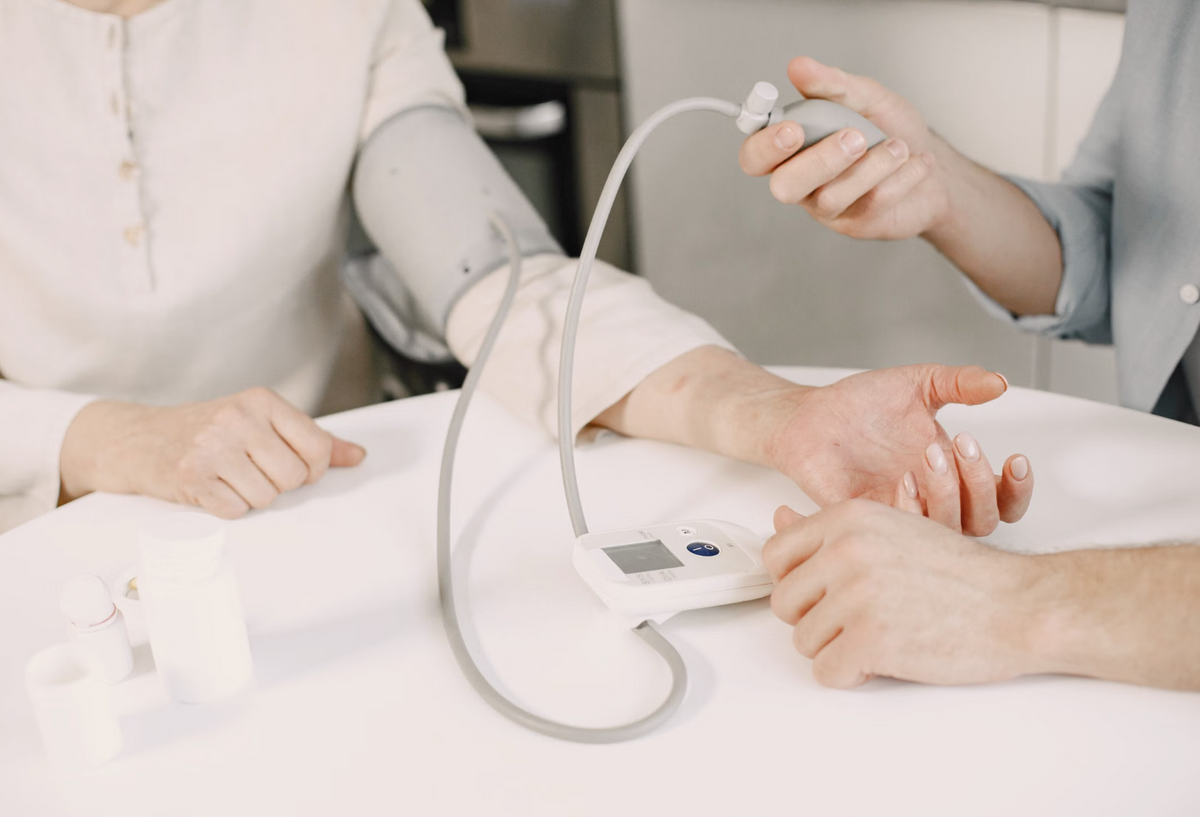
Looking for the best vagus nerve stimulation devices for blood pressure? Neck and ear wearables send gentle pulses that help many people support a calmer heart and vessel tone at home. Short daily sessions fit busy routines and pair well with breathing, rest, and daily stress habits. These tools are wellness devices, not a stand-in for medical care.
How The Vagus Nerve Helps Guide Blood Pressure

The vagus nerve is the long nerve that links the brainstem with the heart, lungs, and gut. It is the main line of the rest and digest system. When that line is active, the heart can slow a little, blood vessels can ease, and the body can leave a high-alert state.
Blood pressure is not only about salt or age. Stress, poor sleep, shallow breathing, and a busy sympathetic system all push the same loop. That is why so many people now search for the best vagus nerve stimulation devices for blood pressure after they already work on food, movement, and rest.
Home vagus nerve devices do not implant anything. They sit on the neck or ear and send mild electrical pulses, or in a few cases sound or vibration. Cervical devices target the nerve trunk in the neck. Auricular devices target a small branch in the outer ear. Both aim to nudge the same calming pathway. A recent physiology paper on bilateral neck stimulation also reported a drop in arterial pressure during a short session in healthy adults, which is why neck wearables show up so often in this category.
A device is still a wellness tool. Anyone with high or low pressure, heart rhythm issues, or an implant should speak with a clinician first. For everyday stress tone, how to stimulate the vagus nerve with short, repeatable sessions is the practical goal.
What Separates A Useful Device From A Gadget
Form factor matters more than marketing copy. A neck band can stay hands-free while you sit. A handheld wand needs two minutes of still contact on one side of the neck. An ear clip can stay in place during a longer session, but a wire can feel fussy.
Look for clear programs, a stable contact method (gel, spray, or saline), and a session length you will actually finish. Many people do better with a few minutes twice a day than with a long protocol they skip. App control helps some users. Others want buttons only.
Electrical nerve stimulation devices are not the same as chest vibration pads or wrist buzzers. Those can still feel calming. They do not send current to the cervical or auricular vagus branch. If blood pressure support is the reason you are shopping, start with true electrical non-invasive vagus nerve stimulation devices and treat vibration tools as extras.
Comfort decides whether you keep the habit. Fit, electrode placement, and a mild tingle that you can raise or lower all matter. Pair the device with slow exhales and an evening wind-down. How to calm your nervous system is still the base layer. Hardware sits on top of that base.
Best Vagus Nerve Stimulation Devices For Blood Pressure
1. Pulsetto - Best Vagus Nerve Stimulation Device For Blood Pressure

Description
Tailored Comfort:
Equipped with two detachable magnetic paddings designed to adapt to different neck sizes, delivering a secure and comfortable fit.
Advanced Pulsation Mode:
Introduces a flowing, wave-like stimulation pattern that aligns with your breathing to promote deeper relaxation of the nervous system.
Extended Battery Performance:
Provides up to 20% more battery life, allowing approximately 1.2 weeks of daily use on a single charge.
Improved Durability:
Built with reinforced materials to withstand consistent, everyday use over time.
Seamless App Experience:
Access the same 5 guided programs and enjoy a 14-day Premium trial, along with the full sound library and optional add-ons available in the Lite version.
What’s Included:
Pulsetto device, two magnetic paddings, 60g gel tube, USB-C charging cable, and user manual.
Safety Assurance:
FCC-certified and powered by the same ULRE technology as the Lite model. Medical consultation is advised for users with implantable devices.
Pulsetto - Your Peace & Better Sleep Partner

Pulsetto is a wearable wellness device designed to support relaxation by using vagus nerve stimulation (VNS). Through gentle electrical impulses applied to the neck, it helps activate the body’s natural calming response. This process encourages a state of relaxation, making it easier to fall asleep, stay asleep, and manage everyday stress more effectively.
Advantages of Pulsetto:
Stress Relief:
Helps reduce daily stress by stimulating the vagus nerve and shifting the body into a natural “rest and recover” mode.
Better Sleep Quality:
Supports deeper, more restorative sleep by calming the nervous system and promoting relaxation before bedtime.
Sharper Focus:
Encourages mental clarity and reduces brain fog, helping improve concentration throughout the day.
Improved HRV (Heart Rate Variability):
Enhances HRV, a key indicator of cardiovascular health and the body’s ability to handle stress.
Digestive Support:
Stimulates the gut-brain connection, contributing to better digestion and reduced bloating.
Support for Chronic Conditions:
Provides additional support for individuals dealing with ongoing stress, anxiety, or fatigue, helping improve overall well-being.
What’s Included:
- Pulsetto Vagus Nerve Stimulation Device
- USB-C Charging Cable
- Electrode Gel (approximately one month supply)
- User Guide
- Free Premium App Trial (includes 11 guided meditations, 54 breathing exercises, and 1,200 positive affirmations)
How Pulsetto Works:
Getting started with Pulsetto is quick and simple, with effects often felt in just a few minutes:
1) Apply a sufficient amount of gel to your neck or directly onto the electrodes.
2) Position the device comfortably around your neck.
3) Connect it to the Pulsetto mobile app on your smartphone.
4) Select your preferred program and activate the device via the app.
Once activated, the device delivers a soft, tingling, or vibrating sensation around the neck area. This gentle stimulation triggers the parasympathetic nervous system, helping the body relax and reducing overall stress levels.
2. Truvaga Plus

Truvaga Plus is a handheld cervical stimulator from electroCore in Basking Ridge, New Jersey. You mist a conductivity spray on one side of the neck, press the wand against the skin, and run a very short session while you stay still. The pulse style follows the same neck-stimulation family used in the company’s prescription headache unit, which is why many people treat this wand as the simple, no-app cousin of clinic hardware. There is no band to wear and no ear clip to seat. You hold the device for the whole window, then put it away.
That design is the whole point. A two-minute press fits a desk, a hotel room, or the minutes before bed. Intensity is easy to feel and easy to lower if the tingle runs hot. The unit is rechargeable, and spray is the contact method instead of a full gel pad, so setup stays quick once you learn the angle. The tradeoff is obvious. Both hands stay on the wand, so this is not a hands-free neck wearable. Contact is one-sided, not bilateral. Some users feel a clear downshift. Others feel only a mild buzz and need a quieter room to notice anything. For blood pressure support as a wellness habit, Truvaga Plus is a brief cervical nudge, not a medical cuff and not an all-day wearable. People with implants, neck metal, or heart-rhythm concerns still need a clinician’s say-so before any neck current.
3. Nurosym

Nurosym is an ear-clip stimulator from Parasym in London. A small electrode sits on the tragus, the cartilage flap at the front of the ear, and a handheld unit sends the pulse through a thin wire. This is transcutaneous auricular stimulation, the ear-branch method used in many lab protocols that watch heart-rate variability and autonomic tone. You sit with the clip in place for a longer window than a typical neck-band program. The control unit stays nearby, so the session feels like a quiet appointment rather than a two-minute pause.
The draw is the paper trail around this platform and the precise ear target. The limit is lifestyle. A wire and a longer sit do not match a standing kitchen break. The clip can feel odd until the angle is right, and ear skin can get tender if intensity sits too high. Once the seal is stable, many people read or rest through the session without much fuss. Nurosym is electrical vagus work, not chest vibration or a wrist buzz. For pressure-related calm, it offers a steady auricular dose rather than a bilateral neck pulse. It suits someone who already likes a seated ritual and cares about a research-minded ear site. It is a weaker match for anyone who wants a wireless band they can ignore after it clicks on.
4. GammaCore Sapphire

gammaCore Sapphire is the prescription cervical device from electroCore. A clinician directs use for defined headache indications. You hold the unit to the neck, use a conductivity medium, and run brief pulses in a pattern the care team sets. This is medical-channel hardware, not a casual wellness band you pick on a random weeknight. Access usually needs a prescription and follow-up, which is why it sits outside most home shopping carts.
The value in a blood pressure comparison is context. This is the formal neck-stimulation lineage that consumer wands often echo. Session style is short contact on the cervical trunk, not an ear clip and not a chest puck. You do not wear it through a meeting. You press, finish, and stop. For someone already in a headache clinic, the conversation is clinical. For someone hunting a home habit for calmer vessel tone, this unit is a reference point, not a first cart item. It still shows what handheld cervical current looks like when a clinician is in the loop. Anyone with heart disease, an implant, or unstable pressure should treat every neck stimulator, prescription or not, as a topic for the same clinician, because wellness claims and medical indications are not the same job.
5. Xen

Xen uses earbud-style electrodes and a saline medium to stimulate the auricular branch while audio plays. The idea is simple. Stimulation rides along with music or a focus track, so the session feels like listening rather than treatment. Waveform and length options are wide, which helps if you like to change the feel from day to day. The earbuds have to stay seated. Saline keeps contact even. Without that seal, the pulse fades and the session wastes itself.
Ear comfort decides whether this lasts. Some people enjoy the dual job of sound plus current. Others find earbuds tiring once the minutes stack up. Battery life on an ear unit is often shorter than a large neck-band charge cycle, so overnight charging becomes part of the ritual. Xen is electrical vagus work at the ear, not a simple headphone and not a neck band. For daily pressure support, it fits people who already sit with audio and want the pulse hidden in that habit. It is a poorer fit if you want a four-minute bilateral neck session with no buds in the canal. Skin in the ear can protest high intensity, so the useful setting is the one you barely notice after the first minute.
6. VeRelief Prime

VeRelief Prime is a compact handheld neck stimulator from Hoolest. Gel on the tip and simple buttons mean the phone can stay in a pocket. Sessions can be very short. Modes include a steady pulse and a pattern that follows the breath. The body of the unit is small enough for a bag, which is why travelers treat it as a desk tool rather than a wearable. You still hold it on the neck. That is the same limit as any wand. Contact is one-sided. Hands are busy until the window ends.
The upside is speed. There is no band to size, no ear clip to aim, and no required app for a basic session. Intensity steps are easy to feel, so you can stop at a mild tingle instead of chasing a strong buzz. For a blood pressure routine built on tiny pauses, that low-friction start matters. The downside is the same as every handheld cervical device. You cannot type, cook, or walk while the tip is in place. Gel needs a wipe after use so residue does not sit on the skin. VeRelief Prime is a fast parasympathetic nudge you can do between tasks, then put away. It is not bilateral, not hands-free, and not a substitute for a clinician’s plan if readings stay high.
7. Sensate 2

Sensate 2 sits on the chest and sends low-frequency vibration with soundscapes. BioSelf Technology is based in London. This is a relaxation puck, not an electrical vagus stimulator. No current reaches the cervical trunk or the auricular branch. The sternum carries a deep hum that can slow breathing, which is why many people still file it next to nerve devices even though the mechanism is different. You lie back, let the soundscapes run, and wait for the body to settle.
That honesty should stay in the shopping filter. If the goal is arterial pressure support through a neck or ear electrode, this is a different tool. If the goal is a quiet evening ritual with no gel and no tingle, the chest puck can still earn a place. There is no wand to hold and no clip on the tragus. App audio guides the minutes. Some users feel heavy calm. Some feel only a pleasant buzz and need the breathwork to do the real work. Pairing the session with a long exhale is what links it to vagal tone at all. Treat Sensate 2 as extra calm beside an electrical device, not as the electrode itself.
8. Apollo Neuro

Apollo Neuro is a wrist or ankle band that uses patterned vibration rather than electrical vagus pulses. The company is based in Pittsburgh. Modes aim at focus, ease, or social calm. All-day wear is the pitch. You do not stop to gel a neck electrode or seat an ear clip. The band stays on while you work, and the buzz is meant to cue the nervous system in the background.
Convenience is real. Mechanism is the catch. Haptic patterns on a limb are not the same as current at the cervical or auricular vagus. Some people report a steadier mood. Others feel little once the novelty fades. Software features can sit behind an account or membership layer, which adds another thing to maintain. For blood pressure shopping, Apollo Neuro works as a companion wearable, not as a stand-in for a true nerve electrode. If you already like a wrist band and want a gentle cue during the day, the form factor is friendly. If you want the site used in neck-stimulation physiology work, you still need a cervical or ear device for that job. Keep vibration and electrical tools in separate mental boxes so the habit stays honest.
9. Sona

Sona is a premium earpiece stimulator with smart session features. It targets the auricular branch and leans on guided, adaptive programs inside the app. Setup is more involved than a simple neck band. You seat the earpiece, let the software lead, and ride a session that tries to feel polished rather than clinical. Testers who like a refined ear ritual often rank the feel high. People who want a two-minute wand may find the extra steps heavy.
This is electrical stimulation at the ear, so it belongs in a true vagus comparison, unlike chest or wrist vibrators. Longer wear in the canal can bother sensitive skin. The software layer is part of the product, not a sticker on the box. Coaching and adaptive flow help if you like being told when to start and when to stop. They get in the way if you only want a button and silence. For pressure-related calm, Sona offers an ear protocol with a guided wrapper. It does not offer bilateral neck contact and it does not replace a blood pressure cuff. A mild setting you can finish is more useful than a strong setting you abandon after three nights.
10. Vagustim

Vagustim is an ear-worn stimulator with themed programs and a research-minded brand story. You wear it in the ear and run sessions that can work with less time inside a phone. That offline option helps at night when another screen feels like the problem. The device is electrical and auricular, so it sits in the same family as other ear clips, not in the vibration family. Fit and seal decide whether the pulse actually lands.
Session length is usually longer than a short neck-band window. The ear has to stay comfortable for that whole stretch. A loose tip wastes current. A tight tip can ache. Themed programs give the ritual a name, which some people need in order to keep a streak. Support and warranty language matter if you plan to keep one unit for years. For daily vessel-tone support, Vagustim is a seated ear habit. It is not hands-free neck stimulation and it is not a medical treatment. People who dislike gel on the throat often prefer this site. People who want four quiet minutes with a band already on will find the ear ritual slower. Clean the ear after use so residue and tender skin do not end the routine.
11. Yojo

Yojo pairs a consumer nVNS tool with an app that reads a short facial scan before and after a session. The scan estimates heart rate, pressure-related cues, stress, and parasympathetic activity. That feedback loop is the hook. You see a before-and-after snapshot instead of guessing whether the minutes did anything. Hardware still has to land on a real nerve site. The scan is a coaching layer, not the stimulation itself and not a clinic cuff.
People who like data enjoy the ritual. People who want a band they can ignore may find the extra steps heavy. Use the metrics as a trend across weeks, not as a diagnosis after one sitting. Lighting, movement, and phone angle can nudge a facial read, so a calm room helps the numbers stay useful. Yojo is built for users who want visible session notes plus a pulse. It adds friction compared with a simple neck-band start. For blood pressure support as a home habit, the useful part remains the stimulation and the slower breath that goes with it. The scan can keep you honest about consistency. It cannot replace a clinician, a home monitor, or the sleep and food work that still shape daily pressure.
Neck Versus Ear: Which Site Fits Pressure Support
The vagus nerve is reachable in more than one place. In the neck, the main trunks run beside the carotid. A bilateral band can touch both sides at once. In the ear, a small sensory branch sits near the tragus and the cymba concha. That branch is the star of many lab setups.
Site choice changes the session, not the basic idea. Neck wearables favor short, still minutes. Ear clips favor longer, quieter sits. Handheld wands favor a firm two-minute press. If you already practice vagus nerve stimulation exercises, a device should copy the same idea: small dose, same time each day.
A simple comparison helps you match the tool to your day.
|
Style |
Where It Sits |
How A Session Feels |
Best Fit |
|
Bilateral neck band |
Both sides of the neck |
Short, hands-free sit |
Fast daily habit |
|
Handheld neck wand |
One side of the neck |
Brief press you hold |
Desk or travel kit |
|
Ear clip or earbud |
Tragus or ear canal |
Longer seated time |
Research-style routine |
|
Chest or wrist vibe |
Sternum, wrist, or ankle |
Sound or buzz, no current |
Extra calm, not an electrode |
Wearable vagus nerve stimulation wins when you will actually repeat it. The perfect waveform on paper is useless if the clip falls off. Start with the form you will finish on a tired Tuesday.
Daily Habits That Work With A Device
A vagus nerve stimulator is a nudge. It is not a full plan. Sleep still matters. So does a slower exhale. Humming, a cold splash on the face, and a short walk after meals all feed the same rest-and-digest line that the vagus nerve already runs.
Keep sessions boring on purpose. Same chair. Same time. Same intensity you can feel without a grimace. If you track heart rate variability on a ring or watch, look at weekly shape, not one lucky morning. Pair night programs with dim light. Pair daytime programs with a pause from email.
Home kits in a vagus nerve stimulation at home work best next to habits you already keep. Do not stack five new gadgets in one week. Pick one electrical device, one breath pattern, and one sleep rule. Give that trio a fair month.
People who take pressure medicine should not change a dose because a wearable felt nice. Bring the device to your clinician if you have questions about implants, dizziness, or a racing pulse. Wellness current on the neck is mild, but your history still comes first.
How To Use A Device Without Guesswork
Start low. Feel a light tingle, not a stab. Sit or recline so the electrodes stay flat. Breathe out longer than you breathe in. Stop if you feel faint, odd heartbeats, or skin burn, and get medical advice.
Gel or spray is not optional on electrical units. Dry skin wastes the session. Clean the neck or ear after you finish so residue does not irritate overnight. Charge on a schedule so a dead battery does not break the streak.
Give the routine two to four weeks before you judge it. Some people feel a drop in evening tension on day one. Some need a quieter week first. The best vagus nerve stimulation devices for sleep often use the same hardware as pressure-support shoppers. The program name changes. The nerve does not.
If you like education with the tool, keep one trusted article and ignore the rest of the feed. More tabs will not tone the nerve. Repeated minutes will.
FAQ
Can A Home Vagus Nerve Device Replace Blood Pressure Medicine?
No. A home vagus nerve stimulation device is a wellness tool, not a treatment plan for high or low blood pressure. Gentle pulses on the neck or ear may help many people support a calmer rest and digest state, which is one piece of daily vessel tone. Prescribed medicine, food, sleep, and clinician follow-up still carry the medical side. Keep current care in place unless a clinician changes it, and treat the wearable as a short habit that sits beside that care.
Is Neck Stimulation Better Than Ear Stimulation For Pressure Support?
Both sites reach vagal pathways. A neck band or wand targets the cervical trunks that run beside the carotid, and a bilateral band can contact both sides in one short sit. An ear clip or earbud targets the auricular branch near the tragus, which is the branch used in many lab sessions on autonomic tone. Comfort and a routine you will repeat matter more than a site debate. How to stimulate the vagus nerve with the form that stays on the skin is the practical test.
How Often Should You Run A Session?
Most home routines use a short session once or twice a day, often in the morning and again before bed. A few quiet minutes at a steady intensity beat a long protocol that gets skipped. Pair the pulse with a slow exhale and the same chair each time so the body learns the cue. Electrical units need gel, spray, or saline so contact stays even. Night programs often overlap with the same hardware used for vagus nerve stimulation devices for sleep, because downshifting the nervous system is the shared goal.
Who Should Talk With A Doctor Before Buying?
Anyone with uncontrolled high or low pressure, an implant such as a pacemaker, metal near the neck, a recent heart event, pregnancy, or a history of fainting or seizures should get clearance first. Skin reactions to gel, spray, or nickel also belong in that conversation. A consumer device is not a cuff reading and not a diagnosis. Calming your nervous system through breath and rest remains safe ground while a clinician reviews the hardware.
How Does Vagus Nerve Stimulation Relate To Blood Pressure In Daily Life?
The vagus nerve is the main line between the brainstem and the heart, and higher vagal tone is part of the body’s built-in brake on a high-alert state. When that brake is active, heart rhythm can ease and vessels can feel less tightly wound after stress. Home non-invasive vagus nerve stimulation adds a timed pulse at the neck or ear so that shift is easier to repeat. The device is still a nudge. Sleep, slower breathing, and vagus nerve stimulation device exercises keep the same pathway working between sessions.
Read Also:
How to Stimulate the Vagus Nerve
Best Non-Invasive Vagus Nerve Stimulation Devices in 2026
Best Wearable Vagus Nerve Stimulation Device In 2026
Top VNS devices
Explore vagus nerve tools and find the approach that fits your routine.
Learn more You'll be taken to an external site.- Choosing a selection results in a full page refresh.
- Opens in a new window.